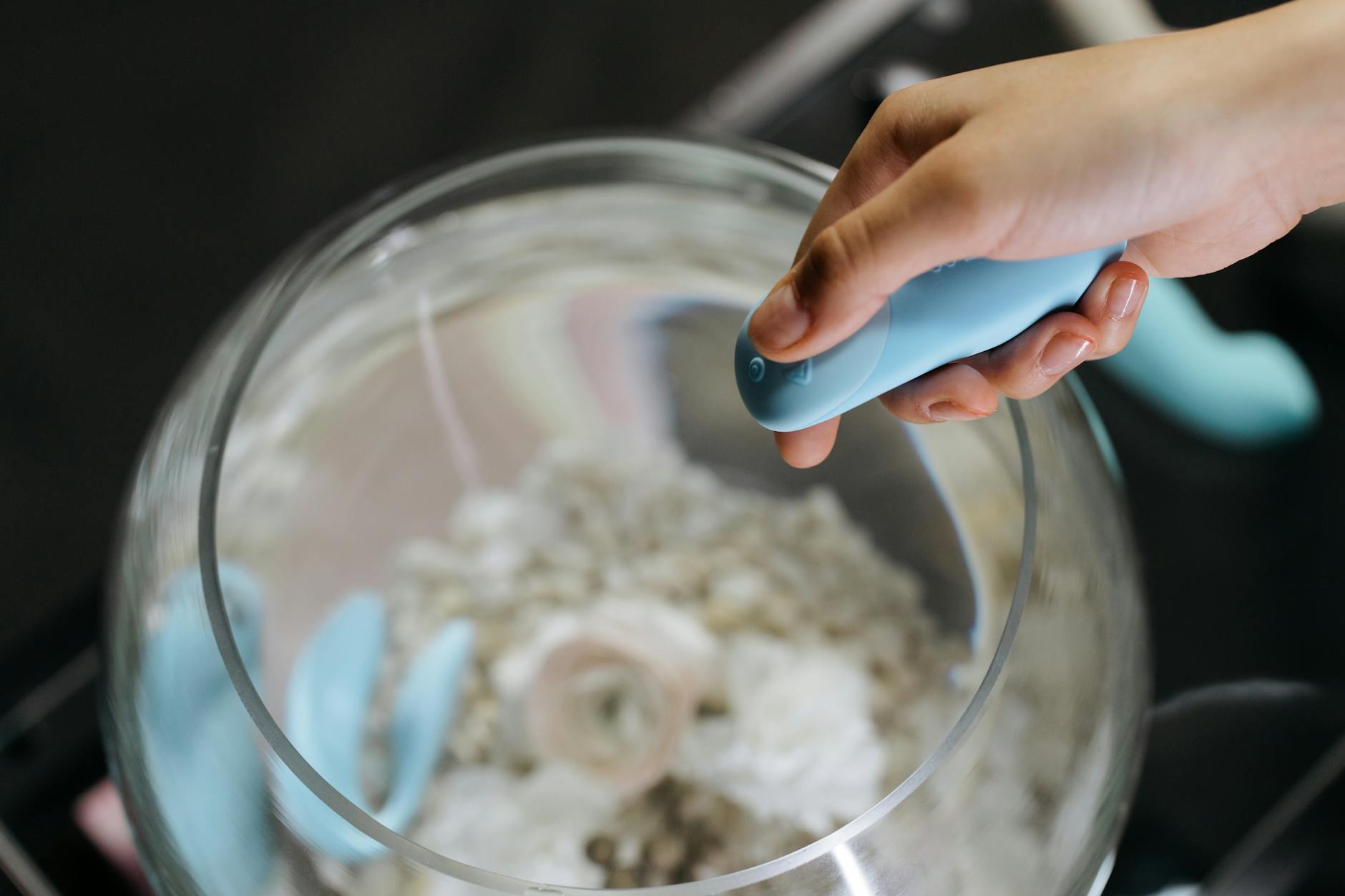
Here's the thing nobody tells you about traditional vibrators
If you've been using conventional vibration for years and suddenly nothing feels like much of anything, you're not broken. Your nervous system has adapted. The same frequency that delivered intense orgasms at 25 now registers as pleasant background hum at 35. It's called desensitization, and it's one of the most common reasons people think their pleasure capacity has flatlined.
Then they try a lemon vibrator. And suddenly everything changes.
How your nerve endings adapt to constant stimulation
Your clitoris has about 8,000 nerve endings concentrated in a space the size of a pea. When you expose those nerves to the same stimulus repeatedly, they stop firing the same way. This is basic neuroscience, not a personal failing. It's the same reason a song you love stops sounding as good after you've heard it 500 times. Your brain optimizes for novelty and change.
Traditional vibrators use sustained oscillation. A motor buzzes at a fixed frequency, delivering the same pattern of stimulation thousands of times per minute. When your nerve endings encounter that pattern day after day, month after month, they require more intensity to trigger the same response. You end up turning the vibrator higher and higher, chasing a sensation that's getting harder to catch.
This isn't failure. It's adaptation. But it does create a real problem: the tools that once worked stop working.
Why suction feels completely different to desensitized tissue
Lemon vibrators use suction and gentle pulse patterns instead of traditional vibration. This is neuromechanically different. Instead of constant oscillation, suction creates a rhythmic vacuum and release. Think of it as a conversation with your nerves rather than a relentless hum.
When you switch from vibration to suction after years of buzzing, your nerve endings encounter something they haven't adapted to yet. The sensation is novel. It's not more intense. It's different. And your brain loves different.
The clitoral complex is exquisitely sensitive to pressure changes. Suction activates those pressure receptors in ways that pure vibration doesn't. You're not just vibrating nerve endings. You're creating engorgement, increasing blood flow, and stimulating a broader network of sensory receptors all at once. Multiple pathways firing together creates a more complex, richer sensation.
The neuroscience of novelty and reawakening pleasure
One of the most important discoveries in pleasure research over the past decade is that desensitization is reversible. You don't permanently lose sensitivity by using vibrators. You just need to change the stimulus pattern.
When my clients who've been using traditional vibrators for a decade switch to a lemon clitoral vibrator, the most common response is shock. Not because it's more intense. Often it's less intense at the lowest settings. The shock comes from realizing how much sensation they've been missing.
This happens because you've trained your nervous system to expect a specific input. When that input changes, your brain has to rewire its response. That rewiring creates a temporary heightened sensitivity. Your nerve endings are firing again in ways they haven't in years.
It typically takes three to five uses for the novelty effect to stabilize and for your nervous system to start adapting again. But that window of heightened sensitivity is often enough to break the cycle and reignite genuine pleasure.
What happens in those first few weeks
When you transition from traditional vibration to a lemon vibrator, expect your experience to shift in these ways:
First use. The sensation feels almost shocking because it's so different. Many people find the lowest settings feel more intense than they anticipated, even though the device is technically less powerful than their old vibrator. This is desensitization reversing.
Days two through five. Your body starts adapting to this new stimulus. The shock fades. The pleasure deepens. You stop chasing novelty and start exploring what actually works for your tissue and your nervous system.
Week two onward. A gentle desensitization to this new pattern begins, but you're starting from a place of heightened sensitivity rather than depleted sensation. You're working from abundance, not scarcity.
The key is not going back to your old vibrator during this transition. That resets your nervous system and you lose the rewiring you've started. Commit to the new pattern for at least two weeks.
Why intensity isn't the answer (and never was)
Most people think desensitization means they need a stronger vibrator. This logic seems sound but it's backwards. Turning up the intensity on a traditional vibrator accelerates desensitization. You're just asking your nerve endings to adapt faster to an even higher frequency.
What you actually need is a different type of stimulation. Switching from vibration to suction isn't upgrading. It's changing instruments entirely. You wouldn't solve a piano player's hearing fatigue by giving them a louder piano. You'd give them a violin.
For people who've used lemon sexual toys like the Lemon Clitoral Vibrator after years of traditional vibrators, the difference is often transformative. Not because suction is objectively better. But because it's different enough to wake up your nervous system.
The role of arousal and mental state in the transition
Here's something that matters as much as the device itself: your mental state when you're using it.
After years of chasing sensation with a vibrator that stopped delivering, many people develop a kind of performance anxiety around pleasure. You expect it to not work. You're already frustrated before you start. Your arousal system reads that frustration and doesn't engage fully.
When you pick up a lemon vibrator for the first time, you often have a moment of genuine curiosity. Your nervous system isn't braced for disappointment. This mental shift alone can unlock sensation that has nothing to do with the device.
I always tell clients: the device does 40% of the work. Your nervous system, your expectations, and your willingness to slow down do 60%. If you approach a lemon vibrator with the same rushed, outcome-focused energy you brought to your old vibrator, you'll miss the opportunity to reset.
Take time. Use it at the lowest setting. Stay present with what's actually happening in your body instead of predicting what should happen. This mental shift is often the real game-changer.
When to consider other factors
Sometimes the issue isn't desensitization. Sometimes it's hormonal, emotional, or relational.
If you've lost pleasure sensation alongside a change in birth control, hormonal shifts, or major life stress, a new device is only part of the answer. You might benefit from exploring what's happening in your body and your relationship at the same time. That's where working with a therapist or healthcare provider who understands pleasure becomes valuable.
But if your loss of sensation is specifically tied to years of using the same vibrator at escalating intensities, switching to a different stimulus pattern is genuinely powerful. Many people don't need therapy or medication. They need a different tool.
FAQs
Will a lemon vibrator feel overwhelming if traditional vibrators stopped working?
Not usually. Because lemon vibrators work through suction rather than vibration, even their highest settings feel different than what you're used to. Many people actually find the transition easier than expected. Start at the lowest setting and let your body adjust. The novelty itself is often stimulating enough without turning up the intensity.
How long does it take for desensitization to reverse?
You'll notice a shift within the first few uses. But allow two to three weeks for your nervous system to fully rewire around this new stimulus pattern. Don't switch back to your old vibrator during this time. Consistency matters more than intensity.
Can I use a lemon vibrator alongside traditional vibrators, or does it have to be one or the other?
You can use both, but if your goal is to reverse desensitization, I recommend a clean break for at least the first month. Using two very different stimulus patterns simultaneously can confuse your nervous system's rewiring process. After a month, when you're well-adapted to the suction sensation, you can reintroduce other tools if you want variety.
What if a lemon clitoral vibrator still doesn't feel like much?
That's rare, but it happens. If novelty alone doesn't reset your sensation after two weeks of consistent use, look at arousal, stress, hormones, and relationship dynamics. Pleasure is systemic. Sometimes the nervous system needs more than a new device. It needs permission, time, and addressing what's happening in the rest of your life.
Is suction-based stimulation better for everyone, or just people with desensitization?
Suction-based lemon adult toys work well for many people, but they're not universally better. Some people prefer traditional vibration. Some prefer clitoral vibrators that combine both patterns. What matters is that you have options. Desensitization is one of the best reasons to try suction, but it's not the only one.
Can I use a lemon vibrator on the setting it came with, or do I have to adjust it?
Start at the lowest setting, even if you've been using intense traditional vibrators for years. Your nerve endings need time to wake up again. As you use it over days and weeks, you can gradually explore higher settings. Many people find they never need the highest settings because the sensation is already so rich.
The real conversation
Desensitization after years of traditional vibration isn't permanent. Your nervous system is capable of rewiring. The pleasure you thought you'd lost is still there. It's just waiting for something new to wake it up.
That's why so many people experience such a profound shift when they try lemon vibrators. It's not magic. It's neuroscience. Your body remembers how to feel. Sometimes it just needs a different question asked of it.
If you're ready to explore what that feels like, I'm here to help. Reach out to our team with any questions about what might work best for your body and your history.