Let's talk about what changes
Your body at 42 is not your body at 32. That's not a loss or a failure. It's just biology. And here's the part nobody tells you clearly: when you're exploring sensation with something like a lemon vibrator, that shift matters more than you might expect.
I work with couples navigating this transition all the time. The pattern is always the same. Someone who's had great success with a particular toy, or a particular intensity, suddenly finds it feels... off. Too intense. Not intense enough. Slower to build. Like they need to retrain their own body. And then they panic that something is broken.
Nothing is broken. Your nervous system is just rewiring itself in response to shifting hormones, changing blood flow, and natural desensitization that happens over decades. Understanding that is half the battle.
How hormones shift sensation
Estrogen and testosterone both drop as you move through your 40s. This is true whether you're perimenopause, post-menopausal, or simply aging through your 40s. These hormones do serious work in your nervous system. They affect blood flow to your genitals, the thickness of your tissue, and how quickly your body can build arousal.
Here's what happens: less estrogen means the tissue in your vulva gets thinner and more delicate. Blood flow slows. The clitoris is packed with nerve endings, but those nerve endings rely partly on good circulation and tissue plumpness to respond quickly to stimulation. When those conditions change, the entire sensation profile changes.
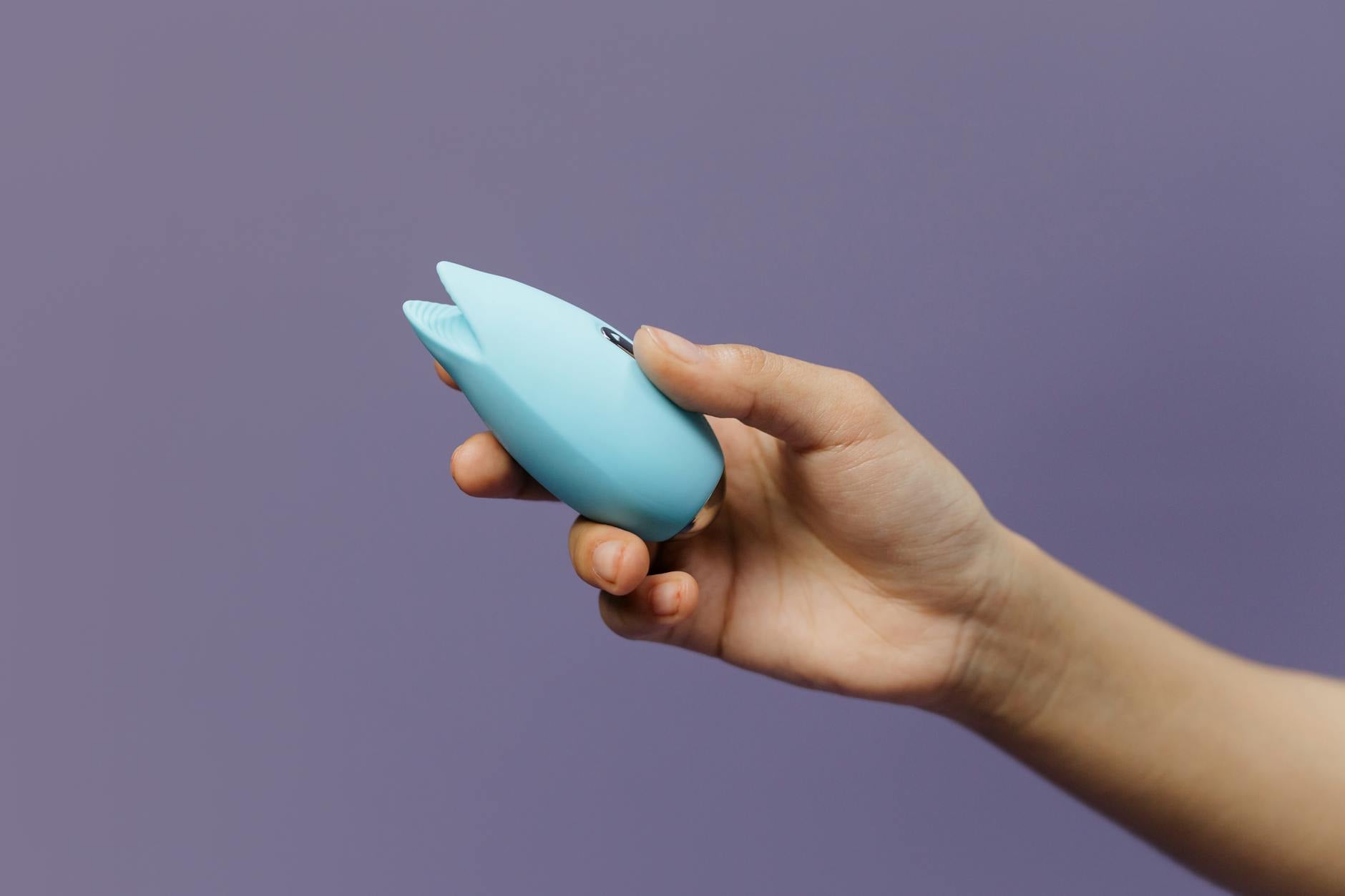
What you'll often notice is that direct, intense stimulation becomes too sharp or scratchy where it used to feel perfect. That's not your sensitivity increasing. It's tissue thinning. The tissue needs a gentler introduction, more lubrication, and sometimes a different approach entirely. This is exactly why lemon clitoral vibrators and suction toys work so well for people over 40. The sensation is broader and less piercing than traditional vibration.
Why arousal takes longer now
You might notice that orgasm used to arrive fast. Now it's slower to build. You might need 15 minutes instead of 5. That's partly hormonal, but it's also neurological. Your brain needs more time to register sensation and send the signal down to your body.
This feels like a problem until you reframe it. Longer arousal means more time to feel nuance. More time to notice what actually works. More time to build pleasure intentionally instead of chasing a quick finish. People over 40 who work with this texture, rather than against it, often report their best orgasms ever.
The practical adjustment is simple. Budget more time. If you used to warm up in 5 minutes, give yourself 20. Start with lower intensities. On a lemon vibrator like the Lem, that means patterns 1 or 2, not jumping straight to 5. Let your nervous system catch up.
The sensitivity shift is real
You might find that what used to feel good now feels overwhelming. Your clitoris might be more sensitive to direct stimulation. Or weirdly, it might feel less responsive overall. Both are normal. Both shift with age.
Sensitivity increase usually happens in your 40s due to hormonal fluctuations and changes in your pelvic floor tension. Your muscles tighten in response to lower estrogen, which can make everything feel more intense. That's where the broader, gentler sensation of a lemon sucker shines. Instead of a point of vibration, you get suction that stimulates a wider area without the sharpness.
Sensitivity decrease happens later, usually in your late 50s and beyond. If that's you, you might need to experiment with higher intensities or longer warm-up periods. Neither is a sign of dysfunction. It's just the shape your nervous system is in right now.
How to adjust your technique
Here are the four things I recommend most to people over 40 who are navigating changing sensation.
Lubrication is non-negotiable. Not because anything is wrong with you, but because thinner tissue benefits from it. Water-based lube gives you glide and reduces friction without dampening the sensation the way oil-based products can. Use it generously.
Layer your stimulation. Start with your hands or a partner's touch. Build arousal for several minutes before introducing a toy. When you add the toy, you're not starting from zero. Your nervous system is already engaged. That makes everything feel more intense and more connected.
Explore different patterns. If the Lem's pattern 5 used to be your sweet spot, maybe pattern 3 is now. Maybe you need to alternate between patterns instead of staying on one. Maybe you want to start on a lower pattern and build up. Toys give you options that your body responds to differently now.
Check your pelvic floor tension. As estrogen drops, your pelvic floor tightens. A tight pelvic floor makes sensation feel distorted and makes orgasm harder to reach. Pelvic floor releases (the opposite of Kegels) help. So does breathing. When you're using a toy, breathe into your belly. Release the muscles between your anus and your genitals on the exhale. This sounds subtle. It changes everything.
Why this matters for partnered sex
If you're with a partner, this shift gets complicated. They might be confused why you suddenly prefer something different. You might feel defensive about needing more time or different intensity. The gap between what worked before and what works now can feel like a barrier.
Here's the conversation that helps. Separate the two topics: "My body is responding differently" is different from "I want us to stay connected." If you conflate them, you turn both conversations into dead ends.
With a partner, using a lemon clitoral vibrator can actually deepen intimacy if you talk about it first. It's not replacing them. It's telling them exactly what your body needs right now. A partner who gets that becomes an active participant in your pleasure instead of a bystander wondering what changed.
When to seek help
If pain shows up, don't tough it out. Genitourinary syndrome (the technical term for when tissue gets thinner and drier) is real and highly treatable. Your GP or gynecologist can prescribe topical estrogen creams that work in weeks. No shame, no drama. Just effective.
If desire has completely flatlined, hormone therapy is worth discussing with a doctor. Not all doctors are trained in this. Look for one who specializes in menopause or mid-life transitions. A good specialist can change the experience entirely.
If you're struggling to navigate this shift with a partner, a relationship coach or therapist trained in sexual health can help you both land on the same page. There's no such thing as overcomplicating pleasure. What feels good changes. Good partnerships change with it.
The reframe
Your 40s are not the beginning of the end of pleasure. They're the beginning of a different kind of pleasure. You know your body better now. You know what you want. You know how to ask for it. Those are superpowers.
Things feel different with a lemon vibrator because your nervous system has evolved. That evolution is not a loss. It's information. Learning to read that information and work with it instead of against it is how you build the best sexual period of your life.
People also ask
Why does my clitoral vibrator feel too intense now when it used to feel perfect?
As you age through your 40s and beyond, the tissue in your vulva naturally thins due to lower estrogen levels. This means the same vibration that felt perfect at 32 can feel sharp or even painful now. Your nerve endings haven't changed, but the tissue around them has. The solution is usually a change in approach rather than a change in toys. Try starting at lower intensities, using more lubrication, and giving yourself more warm-up time. Some people find that switching from direct vibration to suction (like a lemon clitoral vibrator offers) solves the problem entirely.
How much longer should arousal take when you're over 40?
There's no universal answer, but most people over 40 need about double the warm-up time they needed a decade earlier. If you used to climax in 5 minutes, budget 15 to 20 now. That's not dysfunction. That's your nervous system taking more time to register sensation and send signals to your body. Some people find this extension is actually a gift. More time to feel, more time to explore, more time to build intensity intentionally. The key is giving yourself permission to take that time without frustration.
Can lemon sexual toys help if I have less sensation now?
Lemon clitoral vibrators work particularly well for people experiencing sensation changes because they use suction rather than just vibration. Suction stimulates a broader area of tissue rather than one point, which can feel more noticeable when direct vibration feels muted. They also tend to feel less sharp and more enveloping, which many people over 40 prefer. If you're finding traditional vibrators less effective, a lemon sucker is absolutely worth trying.
Should I use different lube when I'm over 40?
Yes. Water-based lubricant becomes more important as you age because thinner tissue is more prone to friction. Silicone-based lubes feel richer and longer-lasting, but they can damage silicone toys (including most lemon vibrators). Stick with water-based. Apply it generously. Reapply if things feel drier. This is not a sign of dysfunction. It's your body asking for support that it didn't need before.
Is it normal to need more time with a partner when you're over 40?
Completely normal. And it's also an opportunity. Needing more warm-up time with a partner is actually an invitation to be more intimate, more playful, and more connected. Instead of jumping to penetration or quick stimulation, you're building arousal together slowly. That's not a problem to solve. That's a feature. The couples I work with who embrace this shift report much stronger connection and often better sex.
Why does my body feel less responsive even though my clitoral vibrator is the same?
Your body is responding to a combination of hormonal shifts, changes in blood flow, and natural nerve sensitivity changes that happen over decades. Your clitoris has just as many nerve endings as it always did, but the tissue supporting those nerves has changed. The blood flow that feeds arousal might be slower. Your pelvic floor might be tighter. These aren't signs of dysfunction. They're signs that your nervous system needs a different approach. Longer warm-up, more lubrication, lower initial intensities, and pelvic floor releases all help your body respond the way you want it to.
What comes next
Your pleasure at 40-plus is not a downhill slide. It's a pivot. Understanding how your body has changed is the first step. Working with those changes instead of fighting them is how you build arousal that feels rich and satisfying.
If you're navigating this shift alone or with a partner and you're stuck, I'm here to help. Reach out at our contact page and let's talk through what's working and what isn't. There's always a next step.