Here's what nobody tells you about pleasure after 40
Your body doesn't stop working after 40. But it does work differently. And here's the part that catches most people off guard: a lot of that difference has nothing to do with hormones.
The clitoral nerve endings don't disappear. Your capacity for orgasm stays intact. But the texture of pleasure itself shifts. The path to arousal changes shape. What took three minutes to build at 28 might take eight minutes at 42. And that's not a loss. It's just a different map.
The pelvic floor tightens (for reasons you might not expect)
Tens of thousands of my clients across decades of practice have said the same thing: after 40, sensation during sex or solo exploration feels more localized, sometimes more intense, sometimes more muted. They assume it's hormonal. It often isn't.
What's actually happening is muscular. Your pelvic floor becomes more prone to tension over time. This isn't about weakness. It's the opposite problem. Decades of sitting, stress, holding tension in your body, and sometimes just the accumulated weight of life responsibilities can create chronic micro-tension in the muscles that wrap around your vulva and vagina.
When those muscles stay partially tightened, they reduce blood flow to the area. That means sensation feels duller. Arousal takes longer to register. Orgasms, when they come, can feel shallow or frustratingly out of reach. This is treatable, and one of the fastest fixes is learning to relax that tension.
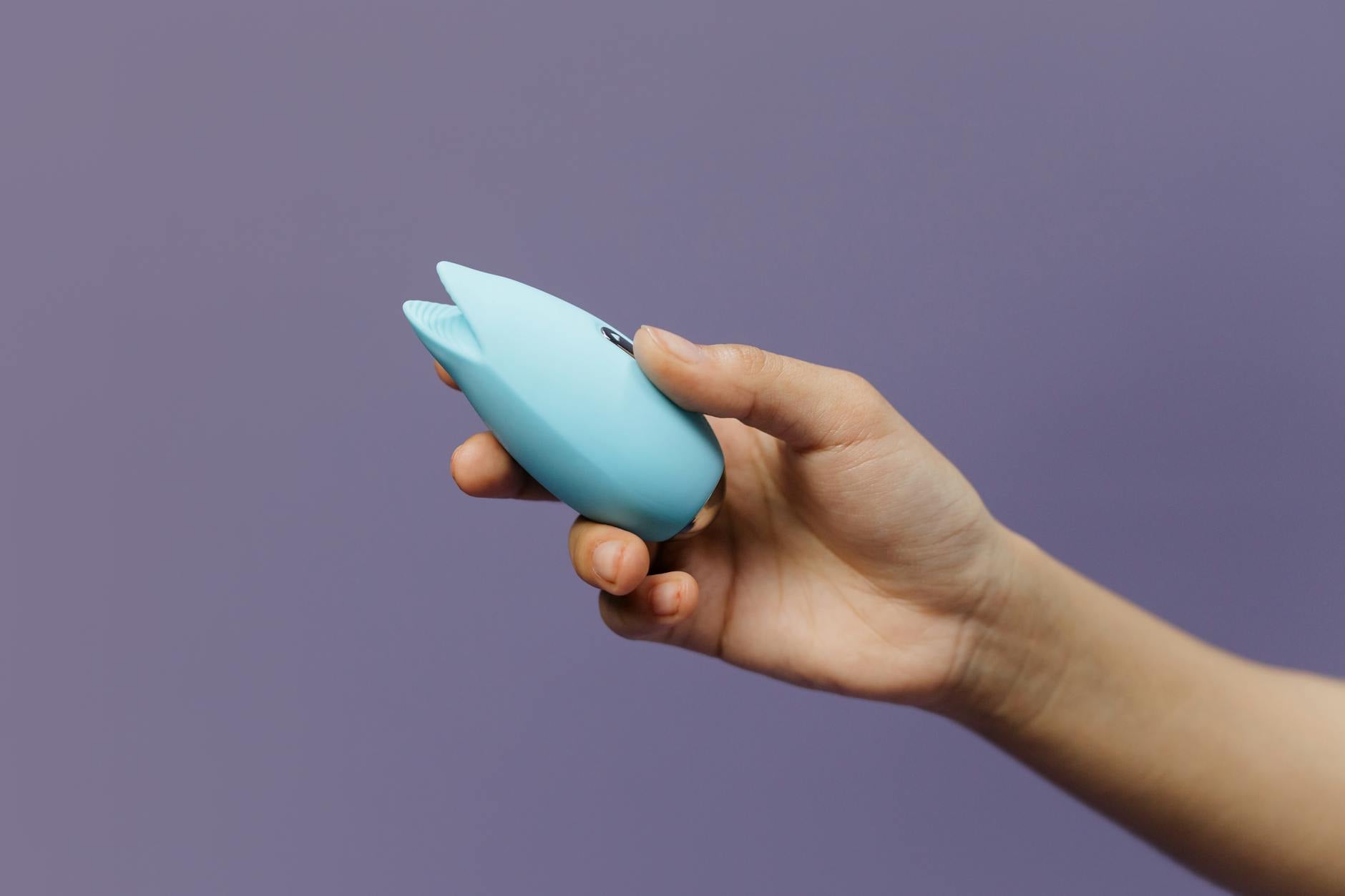
That's partly why lemon sexual toys and clitoral vibrators that use suction feel so different for people over 40. Suction stimulates without relying on the friction that aggravates a tight pelvic floor.
Your brain is doing something smarter (and you might not notice)
After 40, your brain's relationship to pleasure has usually shifted. If you've spent two decades moderating your own needs to accommodate a partner or managing the cognitive load of fertility concerns or career pressure, your nervous system is wired differently than it was at 25.
That rewiring isn't damage. It's adaptation. But it means arousal doesn't work the same way anymore.
At 25, arousal might arrive spontaneously, springing from visual stimulus or a passing fantasy. After 40, particularly if you're in a long-term relationship or rebuilding after loss, arousal usually requires context. Mental space. Permission. A few minutes to transition from whatever you were doing into presence.
This is why so many of my clients report that solo exploration with a lemon vibrator feels easier and more satisfying after 40 than partnered sex. It's not that they desire their partners less. It's that without another person's timing and expectations in the room, their nervous system can finally settle.
Sensation mapping changes
Your clitoral nerve density doesn't shrink after 40. But your nervous system's sensitivity to stimulation does shift. Areas that felt amazing at 30 might feel numb at 45. Other areas might suddenly feel hypersensitive.
This isn't random. It's partly postural. Sitting at a desk for 20 years creates nerve compression. It's partly structural. The tissue under your skin becomes less elastic, which changes how stimulus travels through nerve pathways. And it's partly neurological. After decades of using your body in the same patterns, your brain becomes less responsive to that same input and craves novelty.
Lemon clitoral vibrators work particularly well for this because the suction mechanism creates a sensation profile that's fundamentally different from the vibration patterns you've been experiencing for two decades. It's novel. It breaks the pattern. And that novelty alone triggers a more vivid nervous system response.
Time and pressure have changed your relationship to expectations
One of the biggest shifts after 40 isn't physical at all. It's psychological. By 40, many people have lived through enough relationship cycles, disappointments, and small griefs to know that sex doesn't have to be perfect to be good.
This sounds like a small thing. It's not. It's radical.
At 25, the stakes feel high. There's pressure to have a certain kind of orgasm, to keep up with your partner's pace, to perform a version of pleasure that looks right. That pressure tightens everything. The pelvic floor, the jaw, the whole nervous system.
After 40, if you've done any emotional work at all, those stakes soften. You might be fine with 20 minutes of solo pleasure with a lemon vibrator that doesn't lead to orgasm but feels deeply satisfying. You might be okay with a partner knowing that some days your body responds quickly and other days it doesn't. That's not resignation. That's trust. And trust changes how your nervous system functions entirely.
When you're not braced for failure, your body relaxes. When your body relaxes, sensation becomes clearer. It's almost counterintuitive, but the people with the most satisfying solo and partnered sex lives after 40 are usually the ones who stopped trying so hard.
Recovery time is longer (and that's information, not tragedy)
After orgasm at 25, your body might be ready for another within minutes. After 40, that refractory period often extends. Sometimes to 20 minutes. Sometimes longer. This is a real physiological shift. Prolactin levels change. Blood flow patterns shift. It takes longer for your nervous system to reset.
Most people interpret this as a problem. I interpret it as information. It means if you want multiple orgasms, you need longer foreplay with different types of stimulation in between. A lemon clitoral vibrator works beautifully for this because you can use it at different intensity levels, rotate which pattern you're using, and give your body time to reset without losing the thread of arousal.
What actually gets better after 40
Let me be clear: lots of things improve. Your orgasms can become deeper and more full-body. Your ability to recognize your own desires sharpens dramatically. You're less likely to fake it. You're more likely to ask for what you want. You're less distracted by what other people think. You're more likely to prioritize consistent, genuine pleasure over occasional, performative fireworks.
These are massive advantages. And they show up physically. Many of my clients report their most intense and satisfying orgasms after 40, often with tools like lemon sexual toys or clitoral vibrators that give them full control and novelty.
When to seek support
If pleasure has completely disappeared and isn't returning with rest, lubrication, or exploration, that's worth bringing to a healthcare provider. Sometimes it's hormonal, even without menopause. Sometimes it's vascular. Sometimes it's neurological. All of those are real, and all of those respond to treatment.
If your pelvic floor tension is severe enough that penetration causes pain or solo exploration feels impossible, pelvic floor physical therapy is a game changer. A single session often shows you exactly where you're holding tension and gives you concrete tools to release it.
But if pleasure just feels different, slower to build, requiring more context and presence, that's not a problem. That's an invitation to explore differently. That's when tools like a lemon vibrator and curiosity become your best resources.
FAQ
Does pleasure permanently change after 40?
Not permanently in the sense of being fixed or broken. It shifts. And within that shift are new possibilities. After 40, many people find their most satisfying sexual lives because they've stopped performing and started exploring. The question isn't whether it changes, but whether you're willing to change your expectations along with it.
Can a lemon vibrator help if sensation feels numb after 40?
Yes. The suction mechanism provides stimulation that's structurally different from traditional vibration. That novelty often reawakens sensation that feels dormant. It's not about the tool being magical. It's about giving your nervous system something unfamiliar to respond to.
Is it normal to need more time for arousal after 40?
Completely normal. Arousal speed is partly hormonal, partly neurological, and partly contextual. After 40, context becomes more important. You need mental space. That's not a flaw. That's actually a sign your nervous system is working well.
Does pelvic floor tension really impact sensation?
Yes. Chronic tension reduces blood flow, which dulls sensation. It also changes how stimulation travels through nerve pathways. Releasing that tension through breathing, gentle stretching, or pelvic floor relaxation work often immediately improves sensation clarity.
Can lemon clitoral vibrators help rebuild sensation after years of numbness?
Many people report that yes. The different stimulation pattern breaks habitual nerve response and can help your nervous system register sensation more acutely. Combined with pelvic floor relaxation and mental presence, it's often quite effective.
Is it common to feel less desire after 40?
Desire shifts, not disappears. After 40, spontaneous desire often decreases while responsive desire (desire that builds with stimulation and presence) increases. That's not less desire. It's a different flavor of it. Understanding that difference changes everything.
The bottom line
After 40, your pleasure doesn't decline. It evolves. Your body works differently. Your mind works differently. Your expectations shift. And within all of that change is an opportunity to discover what you actually want, not what you thought you were supposed to want.
A lemon vibrator is a tool for that exploration. But the real work is showing up with curiosity instead of judgment. That's what makes the difference.