Let's start with the real difference
If you've ever tried a lemon vibrator and felt something shift, you weren't imagining it. Lemon clitoral vibrators work fundamentally differently from the vibrating toys most people have tried, and the distinction isn't subtle. It comes down to physics, nerve distribution, and how your body actually responds to stimulation.
Here's the thing: traditional vibrators buzz. Lemon vibrators pulse. That one-word difference is where the magic lives.
How air-pulse stimulation actually works
A lemon vibrator, also called an air-pulse toy or lemon sucker, doesn't vibrate your clitoris. Instead, it creates tiny suction pulses around the clitoral head, stimulating the deeper nerve clusters that sit beneath the surface. Think of it less like a jackhammer and more like a mouth.
Traditional vibrators deliver rapid oscillation directly into tissue. Fast, repetitive, often effective. But here's what research shows: the clitoris has roughly 8,000 nerve endings, most of them concentrated in the glans (the visible tip), but many more in the body and crura (the internal wishbone structure) that vibration alone doesn't reach as effectively.
Air-pulse technology stimulates a wider nerve pathway. Instead of direct mechanical vibration, the suction creates a pressure wave that travels deeper into the tissue. For many people, especially those with sensitive skin, thinner tissue, or past experiences with numbing vibration, this feels less overwhelming and more orgasmic.
Why sensation matters more than intensity
Let's be honest: most people default to the highest vibration setting because they assume more intensity equals more pleasure. It often doesn't. Intensity can numb you. It can also oversimulate the surface nerve endings, leaving the deeper, more sensitive ones untouched.
A lemon clitoral vibrator at a moderate pulse intensity often delivers stronger sensation than a traditional vibrator at maximum buzz because the stimulation pattern is different. You're not numbing; you're activating. The pulsing rhythm also syncs more naturally with how the body builds arousal, which is why many people report faster orgasms and more intense releases.

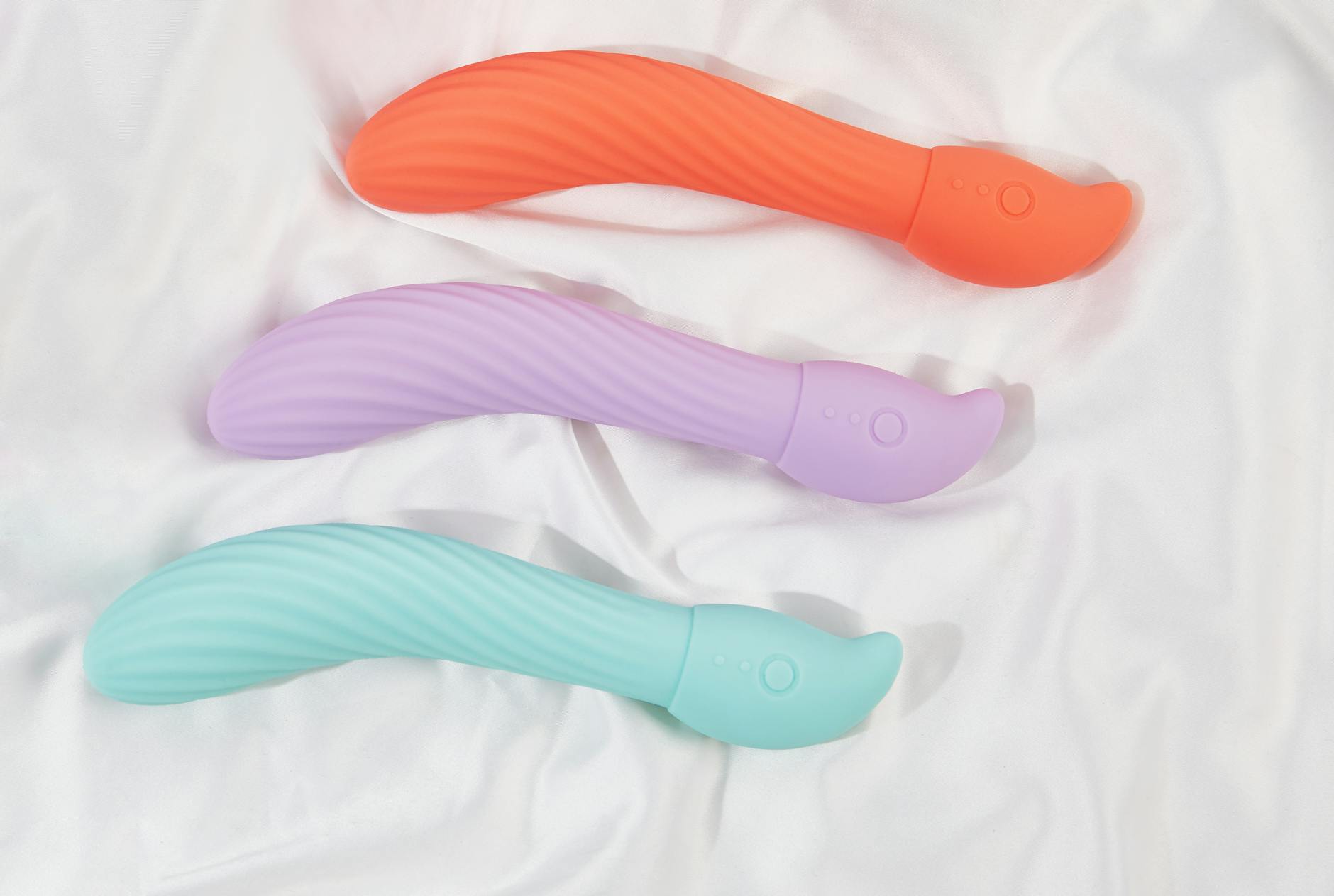
Photo by Frank Schrader on Pexels
The comfort advantage
One reason lemon vibrators have gained cult status in recent years is comfort. Air-pulse technology is gentler on sensitive tissue because there's no direct mechanical abrasion. The suction wraps around the clitoris rather than pressing into it.
This matters especially for people who experience:
- Vulvodynia or clitoral sensitivity issues
- Numbness from previous vibrator use
- Anxiety about direct stimulation
- Post-surgery recovery or pelvic trauma
- Natural variation in clitoral anatomy that makes standard vibrators feel off
Because lemon suction toys distribute pressure across a wider area, they feel like a massage rather than a buzz. Many users report being able to use them longer without fatigue or discomfort.
How the patterns make a difference
Most quality lemon vibrators come with preset pulse patterns. This isn't marketing fluff. Different rhythms activate different nerve pathways and can trigger different types of orgasms.
A steady, slow pulse (around 3-5 Hz) builds arousal gradually and tends to produce longer, rolling orgasms. A faster pulse (around 8-12 Hz) creates sharper intensity and quicker release. The beauty of lemon vibrators is that you can experiment with rhythm in a way that straight vibration doesn't easily allow.
Traditional vibrators typically offer speed variations of the same motor pattern. A lemon vibrator's pulse patterns are fundamentally different from each other. You're not just going faster or slower. You're changing the stimulation mechanism itself.
The reality of switching from traditional vibrators
When you move from a conventional vibrator to a lemon clitoral vibrator, expect an adjustment period. Your body has learned to respond to one type of stimulus. A different stimulus requires recalibration.
This usually takes three to five sessions. The first time might feel unfamiliar or even less intense than you expected. This is normal. You're essentially retraining your nerve response. By session three or four, most people report that the new sensation becomes significantly more pleasurable than what they knew before.
The key is patience and starting at lower pulse intensities. If you dive straight to the highest setting, you're recreating the numbing problem you may have had with vibration. Start low, stay there for two minutes, then increase. Let your body learn the rhythm.
Why anatomy matters more than you think
Not all clitorises respond equally to all stimulation types. About 25 percent of people find traditional vibration perfectly effective and feel no need to switch. That's completely fine. But about 60 percent report stronger sensation from air-pulse stimulation, and many of those never go back to vibration alone.
If you have a smaller clitoris, a larger one, internal sensation, or external preference, a lemon vibrator's broader contact area often feels better fitted to your anatomy than toys designed for an average body.
This is also why having options matters. If you're exploring lemon vibrators for the first time, you might try different intensities, patterns, and even toy sizes to find what fits your body and your nervous system.
Common misconceptions about lemon vibrators
Lemon vibrators are not just gimmicks designed to feel different. They're based on clinical observation and real nerve science. They're not "gentler" in a way that means less pleasure. They're gentler on tissue while often delivering deeper sensation. And they're not a replacement for traditional vibration if that works for you. They're an alternative with different biomechanics.
One myth worth debunking: air-pulse toys don't work if you have less clitoral sensation. If anything, they work better because they engage deeper nerve pathways that may not respond to surface-level vibration.
The partnership between sensation and mind
Here's something that rarely gets mentioned: switching tools can reset mental patterns too. If you've been using the same vibrator for years and orgasms have become predictable or difficult, the novelty of a lemon clitoral vibrator often creates psychological shift alongside the physical one.
Your brain gets bored. Your nervous system learns. A genuinely different stimulus can interrupt that habituation cycle, which is why people report renewed arousal and more intense orgasms when they switch.
How to choose your first lemon vibrator
If you're curious about air-pulse technology, the decision usually comes down to size, material, and budget. All quality lemon vibrators from Hello Nancy use medical-grade silicone and are waterproof.
Consider starting with a smaller toy. A more compact lemon vibrator gives you easier control and is less intimidating than jumping straight to a full-size device. Once you've learned the sensation and found your preferred patterns, you can always expand your collection.
For more detailed guidance on choosing the right toy for your needs and body, check out our lemon vibrators buying guide.
What changes when you switch
Most people report three main shifts:
- Orgasms feel deeper and more full-body rather than localized
- It takes less total time to reach climax
- Sensation feels more sustainable without numbness
None of these are guaranteed. Bodies vary. But they're consistent enough across users that they're worth knowing going in.
Making the transition
If you've decided to try a lemon vibrator, give yourself permission to take your time. Explore different patterns at low intensities. Use lubrication even though air-pulse toys don't require it the way vibrators sometimes do. Most importantly, turn off the mental scorecard. You're not comparing yourself to your old toy. You're discovering a new one.
Frequently asked questions
How is a lemon vibrator different from a regular vibrator?
A lemon vibrator uses air-pulse suction technology instead of mechanical vibration. Rather than buzzing directly against tissue, it creates pulsing waves of gentle suction that stimulate deeper nerve clusters beneath the clitoral surface. This produces a different sensation pattern and often reaches nerve pathways that vibration alone doesn't activate as effectively.
Can you use a lemon vibrator if you're numb from regular vibrators?
Yes, often very effectively. Numbness happens because surface-level vibration fatigues the most accessible nerve endings. Air-pulse stimulation engages deeper neural pathways, which can restore sensation and pleasure even if you've become desensitized to traditional vibration. Many people report rediscovering intense sensation after switching.
Do you need lubricant with a lemon sucker vibrator?
Not technically required, but some people prefer using a small amount of water-based lubricant for comfort and ease of positioning. Lemon vibrators create a seal rather than friction, so lubrication is more optional than with conventional vibrators. Experiment to see what feels best for your body.
How long does it take to feel the difference with a lemon clitoral vibrator?
Most people need three to five sessions to fully acclimate to the sensation. The first time might feel unfamiliar, especially if you're used to traditional vibration. This is normal. Start with lower pulse intensities and give your nervous system time to learn the pattern. By the third or fourth use, you'll likely feel noticeably stronger sensation.
Will a lemon vibrator feel less intense than my current vibrator?
Not necessarily. It feels different, which might seem less intense at first because it's unfamiliar. But air-pulse stimulation often produces stronger, deeper sensation than surface vibration once your body adjusts. Many users find that they reach orgasm faster and with more intensity than they ever did with conventional toys.
Is a lemon vibrator better for sensitive skin?
Lemon vibrators can be excellent for sensitive tissue because they distribute stimulation across a wider area and don't create direct mechanical abrasion. The suction wraps around the clitoris rather than pressing into it. If you experience clitoral sensitivity, vulvodynia, or discomfort with traditional vibrators, air-pulse technology is absolutely worth trying.
The bottom line
Lemon vibrators aren't revolutionary because they're trendy. They're popular because they work differently, and for most people, that difference is substantial. Whether you switch from traditional vibration or add a lemon clitoral vibrator to your collection, you're exploring a genuine alternative with real clinical backing and a devoted user base.
Your pleasure matters. And sometimes the best way to deepen it is to try something new. If you have questions about which lemon vibrator might suit your needs, we're here to help. Reach out at /contact.