Here's the thing about friction
If you've ever experienced discomfort, irritation, or that worn-out feeling after using a traditional vibrator, your body's probably telling you something important. The issue isn't that you're broken or too sensitive. It's that direct vibration on delicate tissue creates friction, and friction on sensitive skin causes inflammation. This is biomechanics, not a personal failing.
That's where lemon vibrators enter the picture. Instead of buzzing directly against tissue, they use suction-based stimulation. The difference sounds small. It's actually transformative.
How suction beats friction
Let me walk you through the mechanics. A traditional vibrator creates stimulation through oscillation. The device vibrates back and forth against your skin at high frequency, usually 3000 to 9000 cycles per minute depending on the model. This is effective. It's also constant friction.
Lemon clitoral vibrators work differently. They create a gentle suction that stimulates the clitoris by drawing the tissue slightly inward and releasing. This mimics the sensation of oral sex more closely than any other toy technology. The key advantage: your skin isn't being rubbed raw. There's no repetitive friction wearing down the outer layers of delicate tissue.
For people with sensitive vulvas, this matters wildly. The clitoris has roughly 8,000 nerve endings concentrated in a small area. Traditional vibrators can overstimulate that zone, causing soreness, redness, or that numb feeling after extended use. Suction-based stimulation distributes sensation across a wider area without the mechanical wear.
When sensitive tissue needs this specifically
Three groups particularly benefit from lemon vibrators over traditional devices.
First: people recovering from childbirth or trauma. The postpartum vulva is tender, swollen, and dealing with healing tissue. Suction stimulation lets you explore pleasure without the risk of irritation that direct vibration can trigger.
Second: anyone with vulvodynia, lichen sclerosus, or other chronic vulvar pain conditions. If your tissue is already inflamed, adding friction is like scratching a sunburn. Suction allows arousal and orgasm without aggravating the underlying condition.
Third: people in long-term relationships who've moved beyond the novelty phase and need stimulation that feels sustainable. Using a traditional vibrator four or five nights a week builds up irritation over time. Suction-based toys distribute the load more evenly.
The lemon vibrator difference in practice
You can experience this difference yourself. The Lem, Hello Nancy's lemon clitoral vibrator, uses air-pulse technology that creates rhythmic suction patterns. Instead of one consistent buzzing frequency, you get waves of gentle pressure that feel more natural and less exhausting to tissue.
Here's what users typically report: more intense orgasms with less effort, no irritation the next day, and the ability to use the toy multiple nights in a row without discomfort. The suction technology also means you need less lubricant because there's no friction to manage. Water-based lube helps, but it's optional rather than essential.
Compare this to traditional vibrators, where dry use becomes painful fast and consistent lubrication is non-negotiable. That's a quality-of-life difference.
Understanding your tissue sensitivity
Sensitivity isn't a binary thing. Most vulvas fall somewhere on a spectrum. You might have a sensitive outer area but tougher tissue closer to the vestibule. You might tolerate direct stimulation in the morning but not at night when inflammation peaks. You might be fine with one partner's touch but reactive to another's technique.
This is why knowing your own body matters more than following generic rules. The best way to figure out where you sit on that spectrum is experimentation with different toy types in low-pressure situations.
If you've been avoiding pleasure toys because traditional vibrators caused discomfort, that's not a sign to quit. It's a sign to try a different technology. Lemon vibrators and other suction-based toys exist specifically because friction-based devices don't work for everyone.
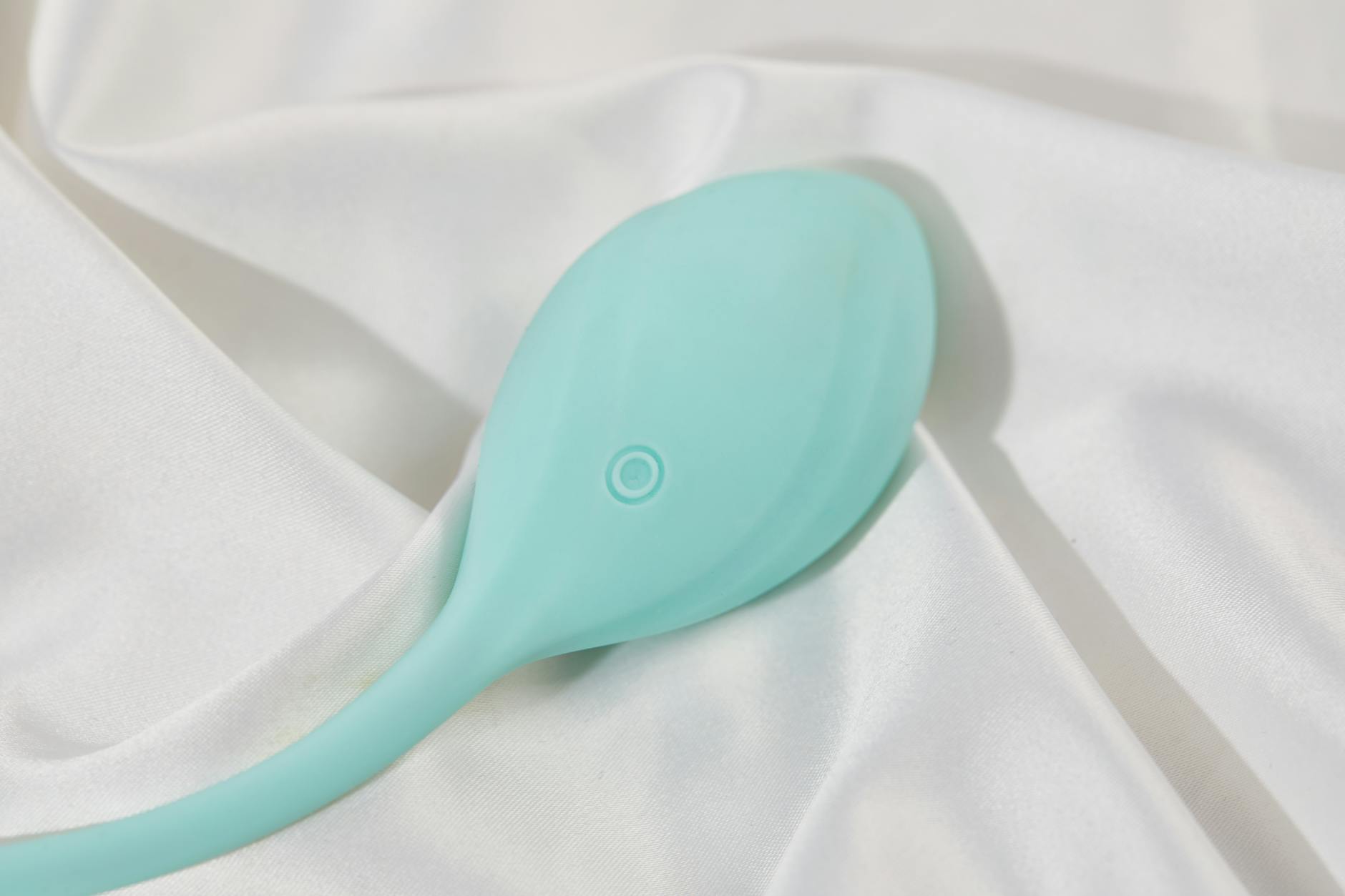
Photo by IFONNX Toys on Pexels
Lubrication strategy for suction toys
Because suction-based stimulation doesn't create friction, lubrication works differently than it does with traditional vibrators. You don't need lube for the toy to function. You use it for comfort and to enhance sensation.
Water-based lubricant is your best bet with lemon sexual toys because it won't degrade silicone over time. A small amount applied to the top of the toy before you start gives you a smooth seal and heightened sensation without the slippery feeling that can numb everything out.
One pro tip: apply lube after the first minute of use rather than before. This lets you feel the initial suction sensation clearly, then adds the glide benefit once you're already aroused. Experiment. What works for someone else might not work for you.
Durability and care
Because lemon vibrators use suction rather than friction, they wear differently. The motor experiences less strain because it's not fighting against constant contact resistance. This means toys built with this technology often last longer and maintain their effectiveness over time.
Care is straightforward. Clean with warm water and mild soap, dry completely, and store in a cool place. The silicone doesn't degrade from regular lube use, and there's no special maintenance routine required. Most quality lemon clitoral vibrators are built to last years with basic care.
Comparing lemon vibrators to other options
How do lemon sexual toys stack up against wand vibrators, bullet vibrators, and app-controlled options? The answer depends on what you're optimizing for.
Wand vibrators deliver broad, rumbly stimulation but can cause the same friction issues as bullets if used directly on sensitive tissue. Bullets are travel-friendly but offer limited intensity range. App-controlled vibrators add the fun of partnered play but don't solve the sensitivity equation.
Lemon vibrators excel at intensity without irritation. They're quieter than many traditional models. And they work independently. You don't need an app, a partner, or any technology beyond the toy itself. If what you need is powerful stimulation that won't leave you sore, suction-based toys beat every other category.
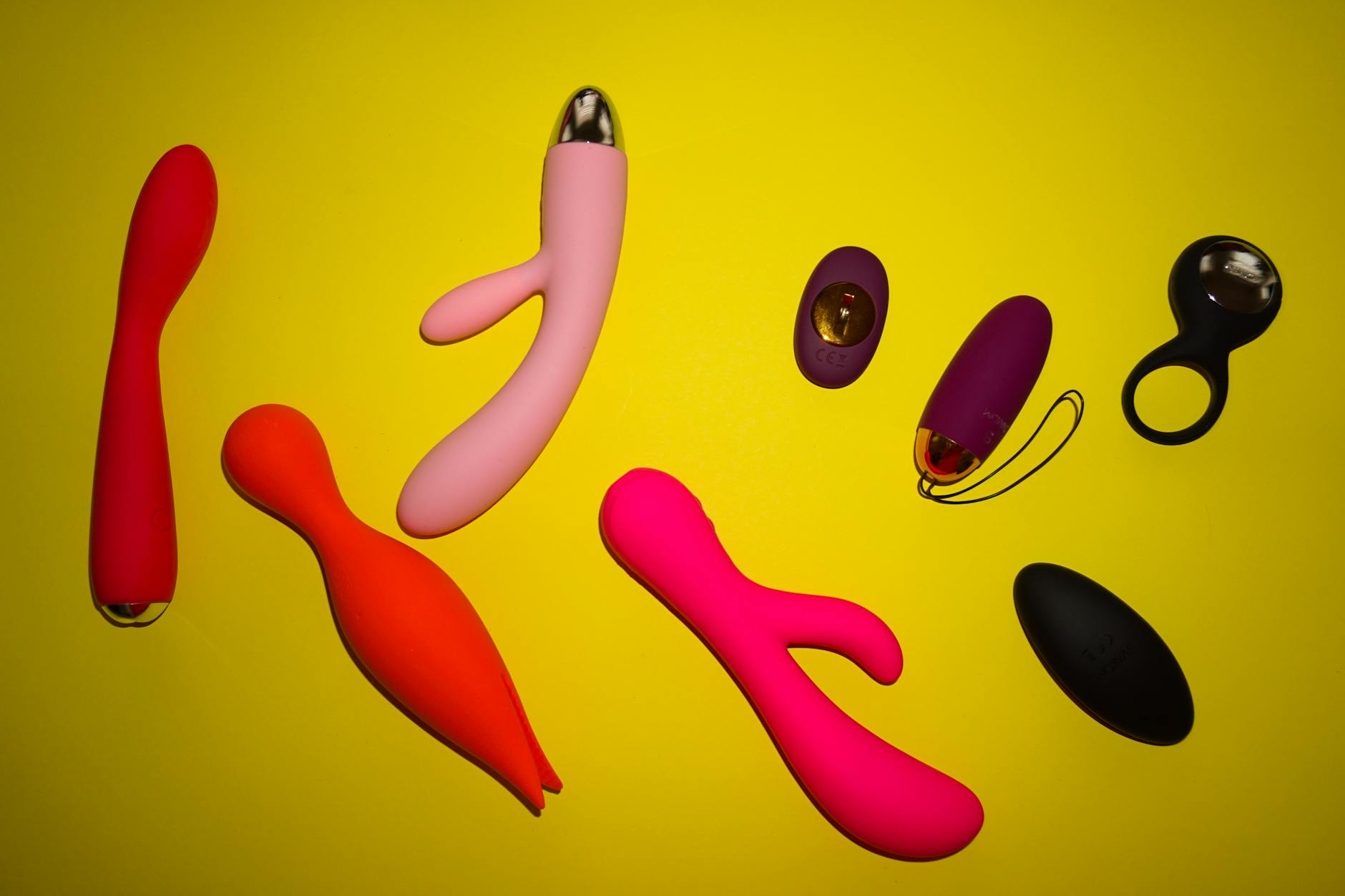
Photo by FounderTips on Pexels
Starting with a lemon vibrator if you're new
If you've avoided vibrators entirely because of sensitivity concerns, here's how to approach your first experience with a lemon clitoral vibrator.
Start with the lowest setting. Most models have three to five intensity levels. Begin at level one and spend time exploring. You're not racing toward orgasm. You're learning how your body responds to this specific type of stimulation. Many people are shocked at how quickly suction-based toys build arousal because the sensation feels so different from what they expected.
Allocate twenty to thirty minutes for your first session. No pressure to climax. The point is to notice: does this feel good? Does it cause discomfort? Do you feel aroused? Use water-based lube if you want it. Stop whenever you want to stop. There's zero rule here.
Most people trying lemon vibrators for the first time report surprise at how much more comfortable it feels compared to traditional devices. If you're someone who's experienced soreness or numbness with other toys, that relief alone is valuable.
FAQ: Sensitive tissue and lemon vibrators
Why do traditional vibrators irritate sensitive skin?
Direct vibration creates repetitive friction against delicate tissue. This friction damages the outer skin layer, causing inflammation, redness, and that worn-out feeling. Suction-based stimulation avoids friction entirely, making it gentler while still delivering powerful sensation through a different mechanism.
Can I use a lemon vibrator if I've never used any toy before?
Absolutely. Suction-based toys are actually an excellent starting point because they're gentler than traditional vibrators and the sensation is different enough that many first-time users find them intuitive. Start at the lowest setting and give yourself permission to explore without pressure.
How long does it take to adjust to suction stimulation?
Most people adjust immediately, though some need a few sessions. The sensation is unfamiliar if you're used to traditional vibrators, but it's not uncomfortable. Your body recognizes it as arousal pretty quickly. If it doesn't feel good after three or four tries, it might just not be your thing, and that's fine.
Do lemon vibrators work for all body types?
Yes. Suction-based technology works regardless of body size, shape, or vulva anatomy. Because the stimulation is created through air pulse rather than direct contact, there's no anatomical barrier to effectiveness. People with different vulva shapes, clitoral hood variations, and body types all report success with lemon clitoral vibrators.
Can I use a lemon vibrator if I'm on hormonal birth control?
Yes. Hormonal birth control doesn't affect how suction-based toys work. You might notice different sensation intensity at different points in your cycle due to natural hormonal fluctuations, but the toy functions the same way regardless of your contraception choice.
What if suction stimulation doesn't feel good for me?
That's genuinely okay. Not every toy works for every person. If you try a lemon vibrator and it doesn't do anything, or if it feels uncomfortable, you've learned something valuable about your preferences. Some people are friction people. Some prefer external wand stimulation. Some don't love vibration at all. Hello Nancy's buying guide walks through options for different preferences if you want to explore further.
The bottom line
Your tissue sensitivity isn't a problem to overcome. It's information about what you need. If traditional vibrators have caused discomfort, that's not a sign to give up on toys. It's a sign that you'd benefit from different technology.
Lemon vibrators exist because friction isn't the only way to create powerful stimulation. Suction-based toys deliver intensity while protecting delicate skin. For people dealing with postpartum recovery, chronic vulvar conditions, or just a preference for gentler stimulation, that difference is everything.
Your pleasure deserves tools that work with your body, not against it. If you're curious about whether a lemon clitoral vibrator might be right for you, reach out. I'm happy to talk through your specific concerns and help you figure out what might work best.