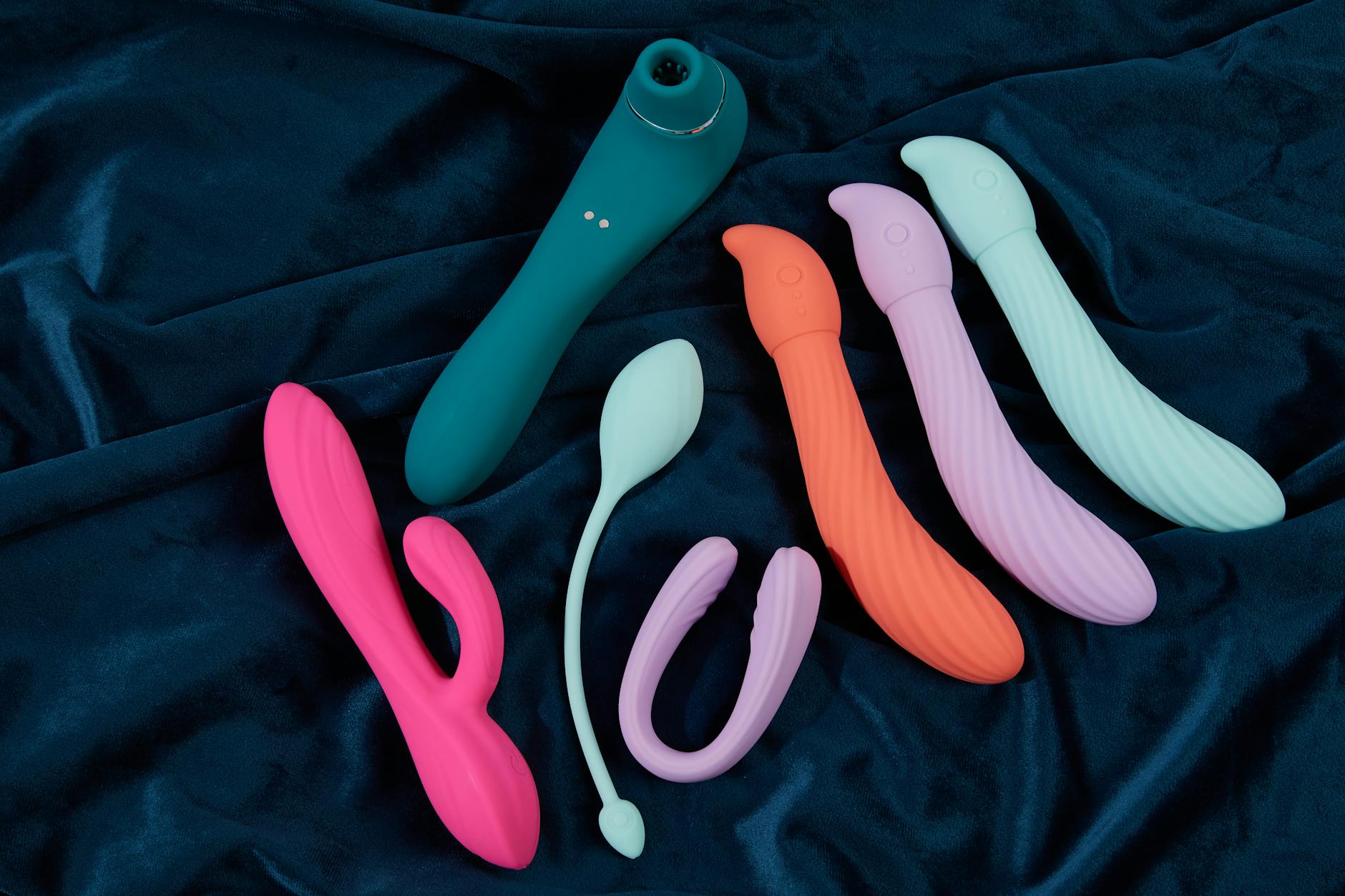
Why Lemon Clitoral Vibrators Produce Better Orgasms for People With Low Sensation
When traditional vibration stops working, air-suction lemon vibrators wake up nerve endings that numbing, medication, or aging has dulled. Here's the neurophysiology and what it means for your pleasure.
Let's be real. You've used a traditional vibrator for years. It worked. Then one day it didn't. Not because the toy broke, but because your nerve endings adapted.
This is called sensory habituation, and it's wildly common. Your nervous system is wired to ignore repetitive input. That's why you stop noticing your socks by midday or hearing background noise. With vibration, the same thing happens. The buzz that felt incredible at 25 feels like a phone on silent at 40. Or 35. Or sometimes 30.
The problem gets worse with medication. Antidepressants, antihistamines, birth control, blood pressure drugs. They don't kill desire, but they muffle sensation like a hand pressed over a speaker. Add in hormonal shifts, natural aging of nerve tissue, or years of relying on the same toy at the same speed, and you hit a wall where nothing feels like anything.
That's when most people assume they've broken. They haven't.
Traditional vibrators buzz. They shake tissue back and forth at predictable frequencies, usually 50 to 200 times per second. Your nerves learn that pattern. They stop firing.
Lemon air-suction vibrators, including the Lem, don't vibrate in the traditional sense. Instead, they create a series of gentle suction pulses that stimulate the clitoris through indirect pressure and tissue expansion. This triggers a completely different neurological pathway.
Here's why that matters: your clitoris has roughly 8,000 nerve endings concentrated in an incredibly small space. Vibration activates some of those pathways. Suction activates others. When vibration stops working, suction often wakes up nerves that the repetitive buzz had desensitized.
Think of it like this. You've been listening to the same song for ten years. Your brain doesn't really hear it anymore. But if someone plays that song on a completely different instrument, suddenly you notice it again.
The clitoris is actually much larger than the small visible nub. It has internal structures, called bulbs and crura, that extend several inches inside the body. Traditional vibration primarily stimulates the external glans. Suction creates changes in tissue pressure that ripple through the entire clitoral complex.
Studies on air-pulse technology show a measurable difference in orgasm intensity for people who've experienced sensory numbness from medication, hormonal changes, or simply decades of use. The mechanism isn't magic. It's just different input triggering different nerve clusters.
When you have low sensation, your nervous system isn't actually broken. It's overadapted. It needs novelty. Lemon vibrators provide that novelty in a way traditional toys can't replicate.
I've worked with clients who'd written off orgasm as something that used to happen but doesn't anymore. They switched to a lemon clitoral vibrator. Many reported orgasms within the first session. Not because the toy is magic, but because their nerve endings had never experienced suction before.
Second reason: intensity control. The Lem runs on adjustable suction levels. You don't start at maximum. You start at level 1 or 2. This means you can titrate sensation in tiny increments, finding the exact pressure where your nerves wake up instead of shutting down further. Traditional vibrators are on or off, or offer limited speed choices. That blunt approach doesn't work when your sensitivity is fragile.
Third: pattern variation. Many lemon vibrators cycle through multiple suction rhythms. Your nervous system doesn't adapt to a pattern the way it does to a single buzz. The rhythm shifts. Your attention stays engaged. Orgasm happens.
This deserves its own section because it's the reason so many people end up searching for answers in the first place.
Antidepressants are notorious for dulling sensation. Some anti-anxiety meds do too. Birth control can shift where sensation lives in your body. Diabetes, thyroid conditions, and hypertension all interfere with nerve function. Menopause and perimenopause change tissue thickness and blood flow, which affects how easily nerves can fire.
Then there's time. Tissue changes. Nerve conduction slows slightly with age. That's not a sign of decline. It's literally how aging works. But it means sensation that felt sharp at 30 might feel diffuse at 50.
Here's what matters: none of this means you're broken or that pleasure is permanently off the table. It means your body needs different input. That's exactly what lemon clitoral vibrators provide.
Switching from vibration to suction isn't always instant gratification. Your nervous system has to relearn the experience. Most people need 3 to 5 sessions before the sensations really click.
Start at the lowest setting. Spend 15 to 20 minutes exploring. Don't aim for orgasm on the first try. Just notice what sensation you feel. Where do you feel it most? Does it change as you move the toy? Are there spots that feel deadened and spots that feel alive?
This inventory matters because it tells you where to focus. If sensation is concentrated in your lower clitoris, keep the toy there for longer. If the upper area feels numb, you might need slightly higher suction to activate those nerve endings.
Rome wasn't built in a day. Neither is rewaking sensation that's gone dormant.
Lemon vibrators work best when paired with other pleasure-boosting habits. Longer foreplay, for instance. When sensation is low, you need more time for blood to flow to the area and tissues to engorge. Budget 20 to 30 minutes instead of 10.
Moisture matters. Even if you don't naturally lubricate as much anymore, adding lube reduces friction and makes suction feel more pronounced. A good water-based option works with any toy and doesn't damage silicone.
Mindfulness helps too. If you're in your head worrying about whether it will work, your nervous system tightens. That makes sensation even harder to access. Try focusing on what you actually feel rather than what you think should happen.
And if you're exploring with a partner, let them know what's happening. Many people assume low sensation means low desire. It doesn't. It means your body needs a different kind of signal. How to use lemon vibrators with a partner for the first time can help you navigate that conversation.
The Lem comes with multiple suction levels for a reason. Your ideal setting might be level 2. It might be level 4. There's no right answer.
Start low. After 5 minutes, consider moving up. If sensation gets less pleasurable (because you've overshot into overstimulation), dial back down. Your sweet spot is where you feel the most tingling and where your body wants to engage with the sensation.
Some days you'll want more intensity. Other days, less. Your nervous system isn't static. Neither should your approach.
Here's something I tell every client: once your nerves wake back up with lemon clitoral vibrators, you don't automatically need them forever. Some people do, and that's fine. Others find that sensation normalizes enough that they can enjoy different toys again. Or they keep the Lem because the sensations are just better, even after other options work again.
The point is choice. You're not locked into any one thing. You're experimenting until you find what makes your nervous system sing.
They can make sensation accessible again by using a different neurological pathway than traditional vibration. But they won't override how medication itself affects your nervous system. If your antidepressant is causing the numbness, you might want to chat with your doctor about timing or adjusting the dose. Lemon vibrators are a tool that works alongside medical care, not a replacement for it.
Some people notice a difference in the first session. Many take 3 to 5 tries before their nervous system really wakes up to the sensation. If you're not feeling anything after 8 to 10 sessions, suction might not be your answer, and that's okay. Pleasure is individual.
Yes, often. Suction can activate nerve pathways that traditional vibration never reaches. But "works" doesn't mean instant orgasm. It means sensation becomes available. What you do with that sensation is up to you.
Not always. It depends on the cause. Medication-related numbness sometimes lifts if you adjust the drug or its timing. Hormonal changes evolve. Nerve adaptation improves with new input. Some people do experience permanent changes, and they adjust their pleasure practices accordingly. You adapt. You don't surrender.
Sensory habituation. Your nervous system learns the stimulus and stops firing in response. It's not you. It's neuroscience. Your system is doing exactly what it's supposed to do. The fix is novelty. A different type of stimulation. That's where lemon vibrators come in.
It feels different, not necessarily uncomfortable. Some people find the first experience a little strange. Give it 3 tries before deciding. Your body is learning a new language. Fluency takes practice.
Low sensation isn't a life sentence. It's a signal that your nervous system needs something different. Lemon clitoral vibrators provide that difference through suction instead of vibration, awakening nerve pathways that traditional toys can't reach.
This isn't about fixing yourself. You're not broken. It's about finding the input that makes your particular nervous system engaged, responsive, and able to experience pleasure again. That's what the Lem and other lemon vibrators do. They're not magic. They're just physics applied to nerve endings that had fallen asleep.
If you're ready to explore what works for your body, the buying guide walks through how to pick the right lemon clitoral vibrator for your needs. If questions come up or you want to talk through what might work best, reach out.