The honest truth about desire fading in long-term partnerships
After three, five, ten years together, desire doesn't vanish. It just stops being automatic. That's not a failure. That's biology and reality colliding.
In my decades of couples therapy, the pattern is always the same. Partners sit across from each other describing a kind of flatness. Sex still happens sometimes, but it feels dutiful. The anticipation is gone. The playfulness is gone. One or both of them worry they've stopped being attracted to their partner, when what's actually happened is far simpler: novelty disappeared, and desire followed it.
Here's where lemon vibrators change the conversation. Not because they magically fix anything, but because they create a permission structure. A new toy isn't a rejection of your partner. It's an invitation to explore together. And that shift from passive to collaborative? That's where intimacy actually reignites.
Why novelty matters (and why it doesn't have to mean new partners)
The brain habituates to stimuli. This isn't a relationship problem. It's neurobiology. Over time, the same touch, the same rhythm, the same scenario stops triggering the dopamine hit that desire requires.
Most couples respond to this by doing one of two things. They ignore it and accept that passion is "what happens" after enough years together. Or they panic and wonder if they've outgrown each other.
A third option is to introduce novelty intentionally. This is where lemon clitoral vibrators come in. A new sensation, a different rhythm, a tool that creates its own kind of stimulation. Research on couples who introduce toys together shows consistent patterns: renewed conversation about pleasure, increased frequency of sexual connection, and most importantly, a shift from "performing sex" to "exploring together."
You're not replacing your partner. You're expanding what's possible between you.
The conversation you actually need to have
Here's the part most guides skip: how to bring this up without triggering defensiveness or shame.
Don't frame it as a problem with your partner. Don't position it as a solution to dysfunction. Frame it as curiosity. "I read about lemon vibrators and I'm curious what that would feel like together" is wildly different from "I need more stimulation than you're giving me." Both might be true, but only the first one opens a conversation.
If you're the partner being asked, your job is to remember that suggesting a toy isn't a referendum on your attractiveness or sexual skill. It's a request for exploration. I've watched couples transform their entire dynamic the moment one partner could hear "I want to try this with you" as an invitation rather than a complaint.
Timing matters. Don't bring it up mid-conflict or mid-rejection. Bring it up on a walk, over coffee, when you're both calm and there's no immediate expectation of sex. This is a conversation, not a negotiation.
How lemon vibrators specifically ease back into physical connection
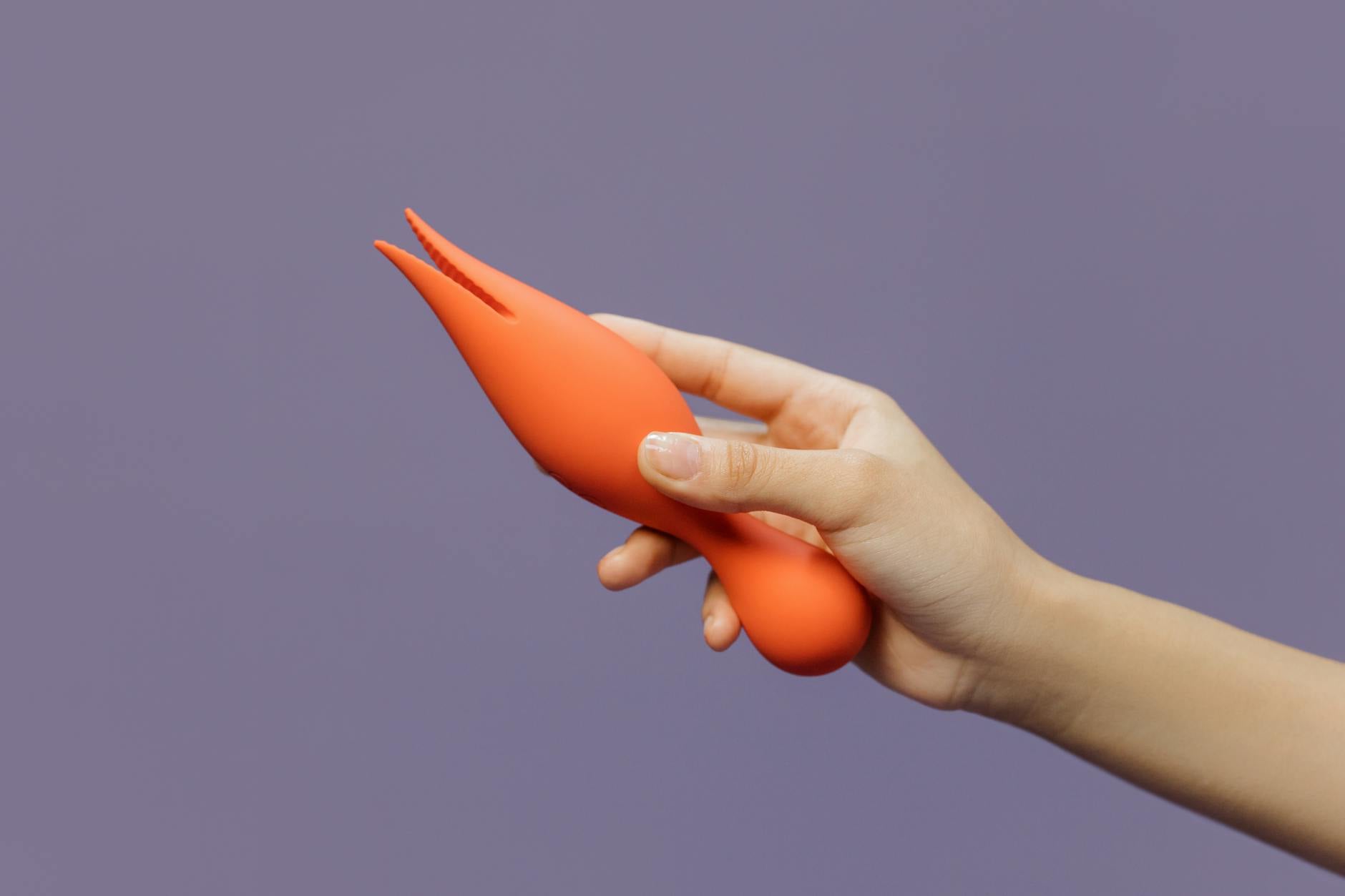
Lemon clitoral vibrators work differently than traditional vibrators or manual stimulation. The suction mechanism creates a sensation that doesn't mimic fingers or a penis. It's novel in a way that feels genuinely different.
For partners who've been in a sexual holding pattern, this difference matters. You're not trying to replicate something that's gotten stale. You're doing something neither of you has done before. That newness, that shared discovery, is the actual aphrodisiac.
Beyond sensation, lemon vibrators create natural pauses. You're learning together how to use it, what feels good, what doesn't. That learning process itself is intimate. It's communication without words. It's paying attention to your partner's breathing and reactions.
You might start with external stimulation while maintaining eye contact. You might incorporate it into foreplay. You might take turns and focus entirely on one person's pleasure for a session, which honestly? Many long-term couples have never done intentionally.

Photo by FounderTips on Pexels
The practical logistics (boring but essential)
When you decide to try this together, execution matters more than you'd think.
Buy it together if possible. If that feels too vulnerable, buy it alone and present it as a gift. Either approach works. What doesn't work is surprise toys or gifts that feel like criticism.
Read the basics together. Lemon clitoral vibrators have intensity settings. Most people start at setting 1 or 2. There's no shame in that. Sensitive tissue doesn't need much. As I've written before about how lemon vibrators work better for sensitive areas, gentler often creates more sustained pleasure.
Clean it with warm water and soap before and after. Use a water-based lubricant if you want more glide, though the suction mechanism doesn't require it like traditional vibrators do.
Set an expectation that first time might feel awkward. It might feel weird. It might not lead to orgasm or earth-shattering sensation. That's completely normal. You're building a new rhythm together.
Most importantly: make it low pressure. If it doesn't work the first time, you try again. You don't abandon it. You don't blame yourself or your partner.
Moving from novelty into sustained change
The risk with introducing toys into long-term partnerships is treating them as a one-off fix. You introduce it once, have decent sex, then slip back into the same patterns.
Instead, think of it as an opening. Once you've used lemon vibrators together, you've opened a door. You've shown each other you can be curious about pleasure. You can talk about it. You can collaborate on it.
From there, the novelty might come from other places. Different toys. Different settings. Different times of day. Different levels of foreplay. Different scenarios or dynamics you explore together.
The point isn't that lemon vibrators fix relationships. The point is that they facilitate a conversation about desire, pleasure, and partnership that most long-term couples have stopped having.
What changes when you make pleasure a conversation topic
Once you've used lemon clitoral vibrators together, something subtle shifts. You start asking each other what feels good. You start paying attention to responses. You start thinking about pleasure as something you create together rather than something that either happens or doesn't.
Couples who do this often report that the increased sexual frequency is almost a side effect. The main change is emotional. They feel less alone. They feel like they're on the same team again.
This is what I mean when I say that reigniting intimacy isn't really about the physical act. It's about rediscovering your partner as someone worth exploring with. It's about remembering that pleasure is collaborative.
If you're reading this and thinking about trying this with your partner, start with the conversation. Everything else follows from that.
FAQ: Questions couples actually ask
How do I know if my partner will be open to this?
You don't know until you ask. But you can gauge openness by noticing how they respond to conversations about pleasure, bodies, and sexuality in general. If they shut down those conversations or express shame, you might need to do some relationship work first. That said, sometimes introducing novelty is what creates safety for those conversations to happen. It's not always a prerequisite.
Will using a lemon vibrator make my partner feel inadequate?
Only if you frame it that way. If you present it as a solution to a problem with them, yes. If you present it as something you want to explore together because you're curious, no. The difference is everything.
What if I want to use it but my partner doesn't?
Then you have a conversation about why they're hesitant. Sometimes it's about shame. Sometimes it's about feeling threatened. Sometimes it's about not understanding why you'd want it. Those are all worth exploring together. Forcing it won't help. Neither will dropping it entirely if it matters to you. You'll need to find a middle ground, whether that's taking more time, addressing underlying concerns, or finding a compromise.
Can we use lemon vibrators if we rarely have sex right now?
Yes, but it's worth asking why sex is infrequent first. If it's exhaustion or life stress, a new toy might help you both prioritize connection again. If it's deeper relationship conflict or lack of attraction, a toy won't fix that. You might need a couples therapist before or alongside exploring new tools.
How often should we use lemon vibrators once we've tried them?
There's no rule. Some couples incorporate them regularly. Some use them occasionally. Some use them as a reset button when intimacy starts feeling flat again. The key is that it's a choice you're both making together, not a performance expectation.
What if it just doesn't work for us?
Then you try something else. Maybe a different toy. Maybe a different approach entirely. The point of lemon vibrators isn't that they're the magic answer. The point is that they create an opening for couples to have new conversations about pleasure and desire. If that particular tool doesn't resonate, find what does.
The real work starts after the toy arrives
Bringing novelty into a long-term partnership requires something deeper than buying the right product. It requires vulnerability. It requires asking your partner what they actually want. It requires listening without defensiveness. It requires building trust that conversations about desire won't be used as weapons.
Lemon clitoral vibrators are a conversation starter. They're not a relationship fix. But in my experience, couples who can have the conversation about introducing one can have other conversations too. About what they actually want from each other. About how to prioritize pleasure and connection when life gets busy. About remembering why they chose each other in the first place.
If desire has faded in your partnership, that's not a signal that you've made a mistake. It's a signal that you need to pay attention. A lemon vibrator won't fix inattention. But it might just be the tool that gets you both paying attention again.
If you're ready to explore but not sure how to start, reach out. We can talk through the conversation with your partner or work on what's underneath the disconnection. That's what I'm here for.
Sources and further reading
Gottman, J. M. & Silver, N. (2015). The Seven Principles for Making Marriage Work. Harmony. Clinical research on couples who introduce novelty into long-term partnerships demonstrates sustained increases in sexual satisfaction and emotional intimacy when novelty is introduced collaboratively rather than unilaterally. For specific guidance on communication around sexual desire in committed relationships, Ester Perel's work on desire and long-term partnerships remains foundational.