Your postpartum body is not broken. It's different.
Let's start with the thing no one tells you until you're already there: the landscape of your pleasure changes after you give birth. Not forever, and not always in one direction. But it changes. And if you're not prepared for that, the shame can be louder than the sensation.
I've worked with hundreds of clients navigating postpartum intimacy, and the pattern is almost always the same. A partner or a partner wants to reconnect, and the person who gave birth feels touched out, tender, and completely uninterested in the kind of stimulation that worked before. Then comes the guilt spiral: "What's wrong with me? Why don't I want this anymore?"
Nothing is wrong with you.
The physical reality of postpartum tissue
Here's what happens to your body after birth, whether vaginal or cesarean. Your pelvic floor has done something extraordinary. The muscles have stretched, the nerve endings are inflamed (yes, even weeks later), and the tissue is trying to remember how to coordinate again. If you tore or had an episiotomy, there are stitches healing in one of the most sensitive areas of your body. And your hormones? They've dropped so fast your brain is still adjusting.
This is why traditional vibrators often feel wrong. A standard vibrator relies on broad, repetitive friction. For postpartum tissue, that can feel invasive, overstimulating, or even painful. You don't need more sensation. You need the right kind of sensation.
This is where lemon vibrators and suction-based clitoral stimulation change the game.
Why suction works better for postpartum bodies
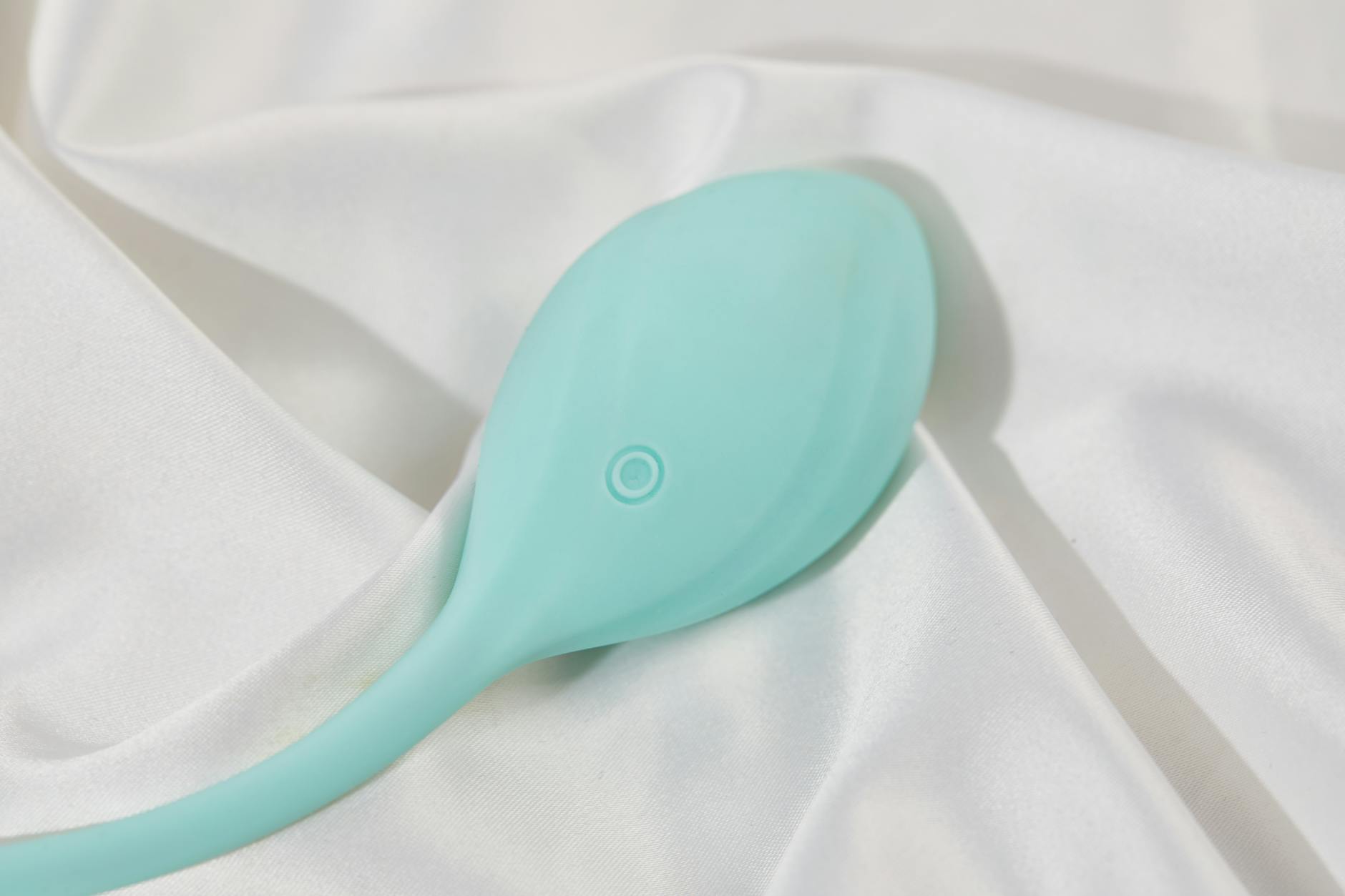
A lemon clitoral vibrator like the Lem uses gentle air-pulse technology instead of direct vibration. Instead of vibrating against your tissues, it creates a soft suction around the clitoris. No friction. No pressure on healing perineal tissue. Just a gentle pulling sensation that stimulates without overwhelming.
Postpartum, your clitoris is sensitive in a new way. The surrounding tissue is tender, the nerves are hyperaware, and traditional vibration can feel like too much. Suction distributes sensation across a broader area without the intense point-contact of a traditional vibrator. The result? Stimulation that feels healing rather than demanding.
Most of my clients tell me that when they try a lemon suction vibrator for the first time postpartum, they cry. Not from pain. From relief.
The timing question: when is it actually safe?
Your GP will probably clear you for penetrative sex at six weeks. That does not mean you're ready for pleasure. Let me say that again: medical clearance and emotional or physical readiness are not the same thing.
I recommend waiting until at least eight to ten weeks before introducing any toys, and that's only if you had an uncomplicated vaginal delivery. If you tore, if you had a cesarean, if you feel pain during any gentle self-exploration, add another four to six weeks. There is no prize for starting early.
When you do start, begin with your hands. Your own hands, your own pace, no partner watching. You need to know what your body feels like now without pressure or an audience. This is reconnaissance, not performance.
How to use a lemon vibrator postpartum
Once you're cleared and you've had time to explore on your own, introducing a suction vibrator works differently than with a traditional toy.
Start externally only. The Lem should never go inside your body postpartum. It's designed for external clitoral stimulation, and that's where it shines. Place it gently against your clitoris, over intact tissue, away from any tender spots or stitches.
Use the lowest setting first. The Lem has multiple intensity levels. Start at one. Your nervous system is still learning what normal sensation feels like. Give yourself time.
Take breaks. Twenty minutes of self-exploration is plenty. Your brain needs time to process sensation without overwhelm. If your pelvic floor starts to tighten or you feel any discomfort, stop. This is not a race.
Build back slowly. If you have a partner, involve them only after you've spent several sessions on your own. Let them watch, let them understand what you're learning about your body, but keep the experience yours for now.
The emotional piece (which is actually bigger than the physical)
Postpartum intimacy fails more often because of emotion than because of physiology. Your body grew and delivered a human. You may be feeding a child from your breasts. You might have prolapse or ongoing pain. Your identity feels scrambled. And somewhere in there, a partner is hoping you'll want to have sex again.
That's a lot of baggage to dump on pleasure.
Before you involve a lemon vibrator or any toy, you need a conversation with your partner about what intimacy means right now. Not sex. Intimacy. Touch that's not going anywhere, affection without expectation, time together that doesn't have a goal.
When that foundation is solid, introducing a toy becomes play instead of pressure. You're not trying to "fix" yourself or get back to normal. You're discovering what turns you on now.
Rebuilding sensation takes patience
One of my clients described postpartum pleasure as "learning to read again." The letters are the same, but your ability to process them has changed. Some touch that excited you feels invasive now. Some sensations you never noticed before are electric.
A lemon clitoral vibrator gives you a gentle way to explore that new language. The suction sensation is different enough from what you knew before that you're not constantly comparing yourself to your pre-baby self. You're just present with what's happening now.
This usually takes two to four months of regular, pressure-free exploration. That's normal. That's fine.
When to seek help
If you're six months postpartum and you still feel pain during any touch, talk to your GP or a pelvic floor physiotherapist. If you feel no sensation at all, same conversation. If you want to want pleasure but you can't access it emotionally, a therapist who specializes in postpartum recovery can help.
You're not broken if it takes time to feel like yourself again. But you deserve support in getting there.
FAQ: Postpartum Intimacy and Lemon Vibrators
Is it safe to use a lemon vibrator if I'm breastfeeding?
Yes. The Lem and other external clitoral vibrators are completely safe to use while breastfeeding. There's no hormonal interaction, no medication involved. If anything, some clients find that gentle self-pleasure helps with stress relief and oxytocin, which can support milk supply. Just make sure your hands and the toy are clean before use.
Will using a lemon vibrator delay my healing?
Not if you use it gently and externally only. The key is starting only after medical clearance and only on intact, non-tender tissue. If you have stitches or ongoing soreness, wait longer. The suction sensation of a lemon vibrator is actually gentler than the friction of traditional vibrators, which is why it's often recommended for sensitive postpartum tissue.
My partner wants to be involved in my pleasure again. How do I set boundaries?
Speak first. Before any toys enter the picture, have a conversation about what you need. Many partners assume that wanting to help means jumping straight into sex. You might need several weeks of non-sexual touch first. Be specific: "I want you to hold me." "I want to explore on my own for now." "I need to feel like my body is mine again before we add anything else." A partner who loves you will listen.
How long does it take to feel "normal" sensation again?
That depends on your delivery, your healing, and your emotional recovery. For some people, it's eight weeks. For others, it's six months or longer. If you're comparing yourself to your pre-baby self, you're measuring the wrong thing. You're not trying to get back. You're trying to move forward into a new version of sensation that includes postpartum recovery, exhaustion, identity shift, and everything else you're carrying.
Can I use a lemon vibrator while my partner is inside me postpartum?
Not immediately. The clitoris is too tender and the surrounding tissue is too healing for that kind of double stimulation in the early weeks. If you do want external clitoral stimulation during intercourse later on, the Lem can work, but wait until at least twelve weeks postpartum and only if you feel zero pain with internal sensation alone. Even then, check with your partner about comfort and pace.
What if I don't feel pleasure yet, even months later?
Talk to your GP or a pelvic floor therapist. Postpartum dyspareunia (pain during sex) is real and common, and it's highly treatable. If there's no pain but no pleasure either, a therapist trained in postpartum recovery can help you work through the emotional pieces: identity, body image, relationship stress, or lingering trauma from birth. Pleasure is not automatic. Sometimes it needs support to return.
The point, in plain language
Postpartum bodies deserve pleasure that meets them where they are, not where they were. A lemon clitoral vibrator offers a gentler kind of stimulation that works with your healing tissue instead of against it. But the toy is just the beginning. The real work is patience with yourself, honest conversation with your partner, and permission to feel different about intimacy than you did before.
Your pleasure matters. And rebuilding it at your own pace, with tools that actually fit your postpartum body, is not weakness. It's wisdom.
If you're navigating this transition and need more support, connection with your partner around postpartum change, or specific guidance tailored to your recovery, reach out at /contact. You deserve someone in your corner.