Let's name what's actually happening
You've been together five years, or ten, or twenty. Sex happens maybe once a week, or twice a month, or when someone initiates it on a Tuesday because you're both not exhausted. The rhythm is familiar. Sometimes it's good. Often it just feels like checking a box. You don't have a dead bedroom exactly. You have a predictable one.
Here's the thing: this is the most common marital complaint I hear, and it's almost never about attraction. You're not bored because your partner is boring. You're bored because your nervous system has optimized away the surprise, and without surprise, arousal flatlines. This is neurology, not failure.
The good news? Lemon vibrators disrupt that pattern in a way that nothing else quite does. They reintroduce novelty, lower performance pressure, and often reignite interest faster than couples therapy or scheduled sex ever could.
Why routine sex kills arousal faster than you'd think
When you know exactly what's coming, your brain stops paying attention. It's the same reason a song you loved last year feels boring now. Your nervous system has categorized the experience as "safe but known," which means it doesn't mobilize arousal energy. Arousal requires some friction, some not-knowing, some possibility.
In long-term relationships, this friction disappears. You know which side of the bed your partner prefers. You know the foreplay duration (usually insufficient). You know what positions work and which ones don't. You know how long it takes them to come. All of this efficiency kills eroticism.
The secondary problem is performance pressure. Once sex becomes routine, you both feel the weight of it. The subtext becomes "we should be doing this" rather than "I want this right now." That's the death of desire. You're not excited. You're checking off a responsibility.
How lemon vibrators specifically break the pattern
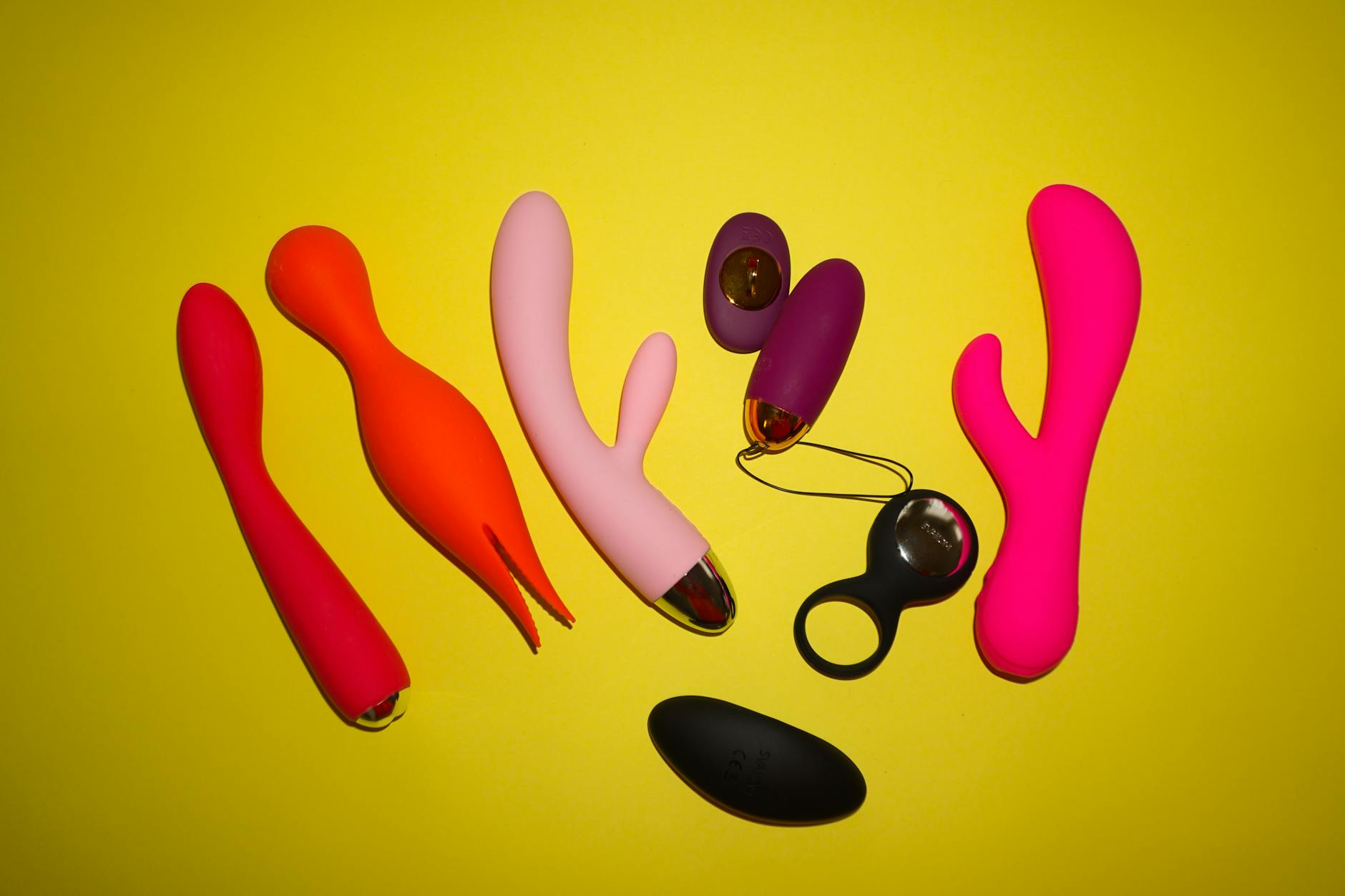
A clitoral vibrator like the Lem isn't about "finishing faster." That's a productivity mindset applied to pleasure, and it misses the whole point. What lemon vibrators actually do is introduce an element you can't predict or control, which makes arousal possible again.
First, they shift focus off penetration and onto sensation. For roughly 70% of people with vulvas, penetration alone doesn't produce orgasm. A lemon clitoral vibrator makes that biological fact irrelevant. Suddenly, clitoral pleasure isn't an accessory to penetration. It's primary. That reframe changes everything about how you experience sex with a partner.
Second, they remove the pressure from your partner to "do it right." Once a toy is in the picture, the responsibility for pleasure becomes shared and external. Your partner isn't trying to hit the right spot or maintain the right rhythm. They can focus on touch, eye contact, being present. That's where genuine connection happens.
Third, and most underrated: they feel genuinely different from manual stimulation. The suction sensation from a toy like the Lem creates a pattern of stimulation that fingertips simply can't replicate. That novelty alone is enough to wake up a nervous system that's been operating on autopilot.
How to introduce it without the awkwardness
Okay, so the strategic part. If sex has been routine and you've never mentioned toys, bring it up outside the bedroom. Not during sex, not as a critique. Just say it straight: "I've been thinking about how we could make sex feel less predictable. I'm interested in trying something like a lemon clitoral vibrator. Would you be open to that?"
Most partners say yes. The ones who resist are usually worried about two things: that it means they're not enough, or that using a toy means they'll lose relevance. Address that directly. "This isn't about you not being enough. It's about adding something that makes everything feel new again for both of us."
When you use it together the first time, don't make it the whole show. Incorporate it into foreplay. Let your partner hold it, control it, or use it on you while they touch you other places. This keeps it collaborative rather than isolating.
Start with lower intensities. Many couples jump to pattern 3 or 4, which can feel overwhelming if you're used to fingertip touch. Begin at pattern 1 or 2. Let your body adjust. The patterns on lemon vibrators are designed to vary stimulation, which mirrors the inconsistency that creates arousal. Don't rush through them.
The surprising ways routine sex actually improves after this
Here's what I see happen consistently: couples introduce a clitoral vibrator specifically to break monotony, then discover that sex without it gets better too.
Why? Because using a toy together establishes that pleasure is collaborative. You've had a conversation about what you both want. You've shared something vulnerable. You've experienced a different kind of stimulation together. That carries over into regular sex. You're less in your head. You're more likely to communicate. Arousal comes back because the relationship to sex has shifted from routine to chosen.
Many partners also report that watching their significant other experience intense pleasure creates arousal in them. That's not shallow. That's genuine erotic connection. If sex was feeling predictable because nobody was truly aroused anymore, reintroducing arousal in one person often reignites it in the other.
The rhythm adjustment that matters most
Routine sex is often fast. Someone initiates. You get to foreplay. It's adequate. You have sex. It's fine. Someone comes or doesn't. It ends. Eighteen minutes, soup to nuts.
When you introduce a vibrator, intentionally slow down. Spend twenty minutes on foreplay instead of five. Vary what you do. Let your partner use the toy while you focus on their neck, their chest, their thighs. Build it into a longer experience. That extended timeline is where eroticism lives.
This takes practice. Your nervous system is used to the quick pattern. It'll want to rush. Resist that. Set a timer if you have to. This is a skill you're relearning.
When it works and when it needs more
For most couples, introducing a vibrator during a period of routine sex produces results within three to four encounters. Arousal returns. Initiative increases. Sex feels chosen again rather than scheduled.
If that's not happening, the issue probably isn't the toy. It's likely deeper relationship tension that sex was masking. If you're fighting about money, or feeling emotionally disconnected, or resenting your partner, a vibrator won't fix that. What you actually need is to address the resentment first. That might mean couples counseling or a serious conversation about what's shifted in your relationship.
But if the issue is purely that sex got predictable and both of you want to reset it, a lemon vibrator usually works. Start there before you assume the problem is terminal.
FAQ
How do I bring up using a vibrator without making my partner feel inadequate?
Frame it as an addition, not a substitution. Say something like: "I want to try something that might make sex feel more exciting for both of us." Then actually do the work of making sure they feel desired outside of the encounter. If they felt genuinely desired by you, the toy feels like a gift, not an indictment.
Can we use a lemon vibrator during penetrative sex?
Absolutely. Many couples use it during partnered sex, either with the penetrating partner holding it or with the receiving partner using it on themselves while being penetrated. This often produces more intense orgasms and makes the experience less predictable for both people.
What if my partner says they're too self-conscious to use one?
That self-consciousness usually fades after the first experience. Start with lower intensity, lower light, or with their eyes closed if that helps. Sometimes the resistance is less about the toy and more about vulnerability. You might need to build that safety in other ways first.
Does using a vibrator during sex ruin the sensitivity of other stimulation?
No. The nervous system doesn't work that way. Vibration sensitizes you temporarily but doesn't permanently dull other sensations. If anything, adding variety through clitoral vibrators often makes manual touch feel more intense.
How often should we use a lemon vibrator to keep things fresh?
There's no rule. Some couples use it every time. Others use it to reset, then move back to sex without toys and find they're more aroused because the relationship to sex has changed. Use it as often as it serves you, not as a new obligation.
What if introducing a vibrator makes sex feel like work again?
Then it's being used wrong. A vibrator should reduce pressure, not add it. If you're putting pressure on yourselves to use it "correctly" or to orgasm "harder," you've replicated the performance problem. Take the pressure off. Toys are tools for sensation, not achievement markers. If sex feels like work, go back to basics and focus on pleasure without expectation.
The simple version
Routine sex is a nervous system problem, not a relationship death sentence. When arousal flattens from predictability, reintroducing novelty works. A lemon clitoral vibrator introduces novelty while also opening conversation about pleasure that you might not have had otherwise. It's not a magic fix for deeper resentment or disconnection. But if you both want sex to feel chosen again rather than scheduled, it usually helps.
The couples who see the biggest shifts aren't the ones using the toy the most. They're the ones who used it as a permission slip to have a conversation about what they actually want. Everything else follows from that.