Sex becoming a chore is one of the most common relationship complaints I hear, and almost nobody talks about it openly. You love your partner. You're attracted to them. But somewhere between work stress, household tasks, and just... existing in 2026, sex stopped feeling like connection and started feeling like another item on a list you didn't ask to maintain.
That's not a dead relationship. That's a relationship that's stopped making room for pleasure. And the fix isn't to try harder or feel more guilty about it. It's to interrupt the pattern.
When intimacy follows the same script every time, your brain stops registering it as novel. You already know what's coming. There's no element of discovery, no moment where your body surprises you, no reason for your nervous system to wake up. Add in resentment (because one person always initiates, or someone feels rejected, or you're both exhausted), and sex stops being play. It becomes performance.
This happens in good relationships. Long-term couples, especially those in their 30s and 40s, often hit this wall. The paradox is that the more secure you feel with someone, the easier it is to deprioritize the physicality that originally bonded you.
Women in particular are trained to manage everyone else's pleasure before their own. If you're the partner who's focused on your partner's orgasm, your own satisfaction becomes secondary. And if you're not experiencing genuine pleasure, sex becomes work.
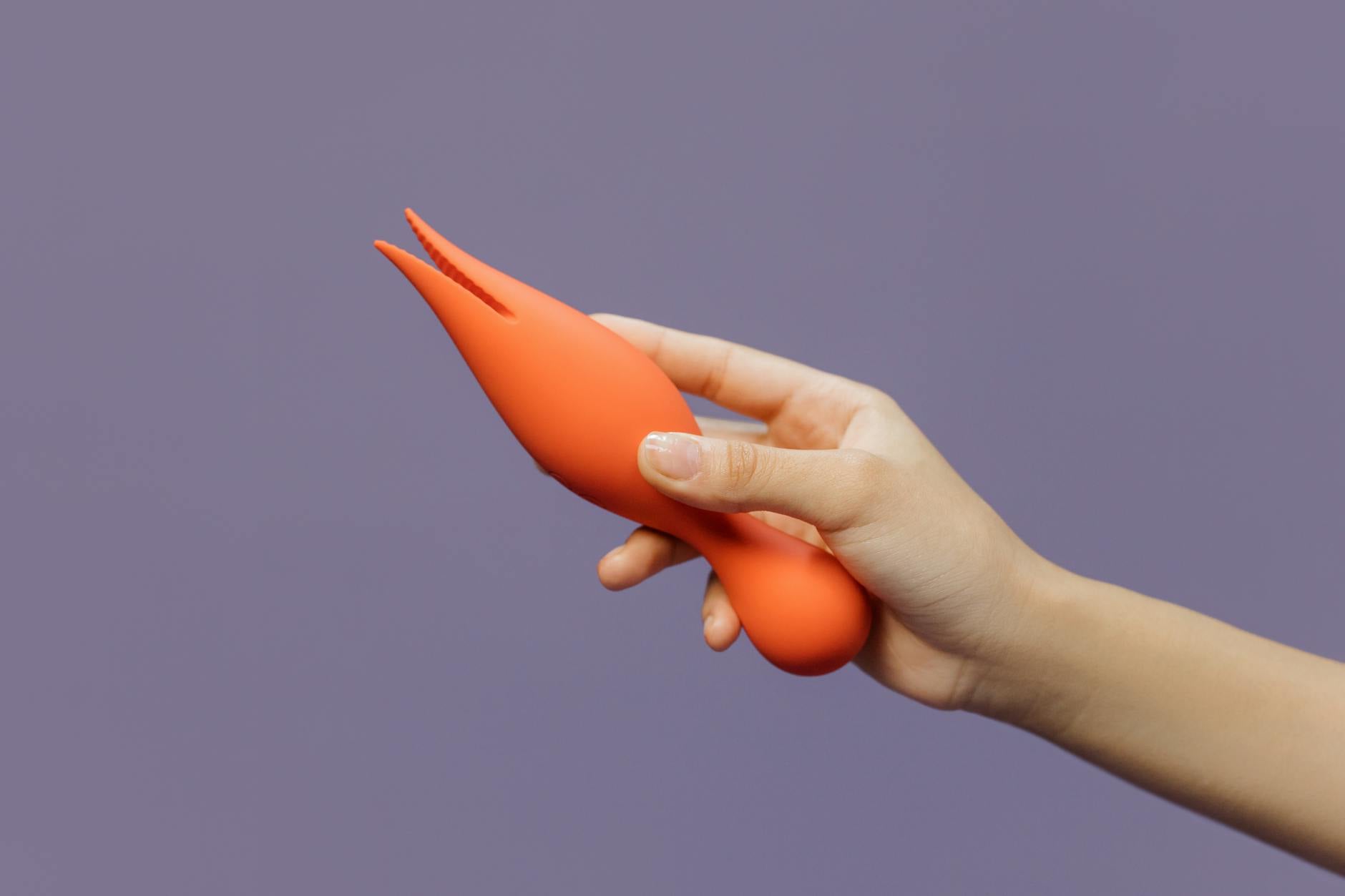
I recommend lemon vibrators and other clitoral toys to couples in this exact spot because they interrupt the script in a way that's both practical and deeply effective.
When you introduce a vibrator like the Lem into partnered sex, several things shift at once. First, it reintroduces novelty. Even if you've used one before alone, using it with a partner feels different. Second, it removes the pressure on penetration or a partner's hand or tongue to "do the work." That might sound clinical, but it's not. It's actually liberating. Your partner can focus on connection and sensation instead of trying to hit the right rhythm, and you're not waiting for an orgasm that may never come from traditional stimulation alone.
Third, and this matters most: a vibrator gives you explicit permission to prioritize your own pleasure in the room. It's a physical reminder that your orgasm is the goal, not something that happens if it happens.
If your partner is self-conscious or resistant to toys, that conversation is the work. And it's worth doing. You might say something like: "I want to feel good, and I know what helps my body. I'd like to use this when we're together. It's not about you not being enough. It's about me knowing myself." That's not negotiable energy. That's clarity.
If your partner pushes back, there's something else underneath that resistance, and that deserves attention. Sometimes it's insecurity about whether they're "enough." Sometimes it's discomfort with female pleasure in general. Either way, that's not a vibrator problem. That's a relationship conversation that needs to happen regardless.
Don't start with "we should have sex now and I'll use the vibrator." Start smaller. Use a lemon clitoral vibrator solo first, when you're alone. Reconnect with what genuine pleasure feels like without any pressure or timeline. Notice what makes you gasp, what speeds you like, what patterns actually feel good versus what you thought you were supposed to like.
Then, when you're ready, integrate it into partnered time. You might use it during foreplay. You might use it while you're kissing and they're touching you elsewhere. You might use it while they're inside you. There's no one right way. The point is that you're actively creating an experience that feels good to you, not passively waiting for it to happen.
Set a pattern-breaking rule: if the script usually follows a familiar rhythm, change something. Different room, different time of day, different positions, different touch. Use the vibrator on a pattern or speed you don't usually reach for. The goal is to make your brain register "this is new," which wakes up your nervous system and actually makes pleasure possible again.
Sometimes sex feels like a chore because there's anger underneath. Your partner didn't help with the kids enough. They're always on their phone. You feel unseen in the relationship, and sex is where all that invisibility crystallizes.
A vibrator can't fix that. But it can create a moment where you're prioritizing yourself, which is the beginning of fixing it.
If the resentment is serious, you might need a couples therapist to untangle what's actually wrong. Sex is rarely the core problem. It's usually the symptom of something deeper. Emotional disconnection. Unequal labor. Feeling unheard. Those things need direct attention.
But while you're working on the bigger picture, reclaiming pleasure for yourself is an act of self-respect. It tells your system that you matter, that your needs matter, and that you're not going to disappear into obligatory togetherness.
Here's what I tell my couples: schedule pleasure the same way you schedule anything else that matters. Not romantic spontaneity. Intentional time where you both agree that you're prioritizing connection and sensation.
When it's scheduled, there's no "are we going to or aren't we" energy. There's just time set aside for something good. And when you show up to that time knowing you have a vibrator, knowing your pleasure is the point, it changes your whole orientation. You're not trying to squeeze intimacy into exhaustion. You're creating a container for it.
Bring a lemon clitoral vibrator into that space. Let it be a signal that this time is different. Your pleasure is the goal. Not conception, not reassurance, not proof that the relationship still works. Just good sensation, your body, attention, and connection.
If sex feels like a chore because you're experiencing depression, chronic pain, or hormonal shifts, a vibrator helps but isn't the whole answer. See a doctor. Talk to a therapist. Sex is a barometer for overall well-being, and sometimes what feels like "I don't want to have sex" is actually "I'm struggling and need support."
If the issue is mismatched desire (you want it way more or way less than your partner), that's also a conversation to have with a professional. Couples therapy with a sex-positive therapist can help you both understand what's driving the mismatch and create a solution that works for both of you.
The Lem vibrator and other clitoral toys are tools for reclaiming pleasure, not cures for relationship issues. But they're powerful tools. They're concrete permission to say "my pleasure matters" out loud and in action.
Start with curiosity instead of proposal. "I've been thinking about what actually makes me feel good, and I want to explore that more. I'd like to try using a vibrator during sex with you. Would you be open to that?" If they say no, ask why. Listen to the real concern underneath the resistance. Sometimes it's fear, sometimes it's a belief that toys mean they're not enough. Those things need addressing before the toy conversation can move forward.
No, and research actually shows the opposite. People who masturbate and know their own pleasure are usually more satisfied in partnerships because they understand what they need and can communicate it. The myth that vibrators "ruin" partnered sex is backwards. They build confidence and self-knowledge, which improves partnered sex.
Self-consciousness usually comes from internalized shame about female pleasure, or worry that your partner will judge your body or responses. Those are real feelings, and they deserve naming. You might start by using the vibrator yourself while they're present, so they see your pleasure without you feeling watched. Over time, you might feel comfortable with them controlling it or being more involved. There's no timeline. Go at the pace that feels safe.
As often as you want, with no pressure to use it "correctly." If you schedule intimate time twice a week and you want to use a lemon vibrator every time, great. If you want to use it twice a month, that's also fine. The point is removing the obligation. You're using it because it feels good, not because you're supposed to.
That's valuable information. Maybe you prefer solo pleasure and occasional partnered intimacy. Maybe you're realizing your partner and you have different desires. Maybe you're discovering that what you actually want is different from what you thought you wanted. All of that is worth exploring, and it might mean having bigger conversations about how you both want to structure intimacy. But at least you're getting honest about what actually feels good.
Completely. You might feel self-conscious about your sounds, your facial expressions, how long it takes, or whether it "looks hot." Here's permission to let all that go. Your partner being present for your genuine pleasure is way more intimate than a performance. Awkwardness usually fades after the first time. Breathing, staying present, and reminding yourself that this is for you all help.