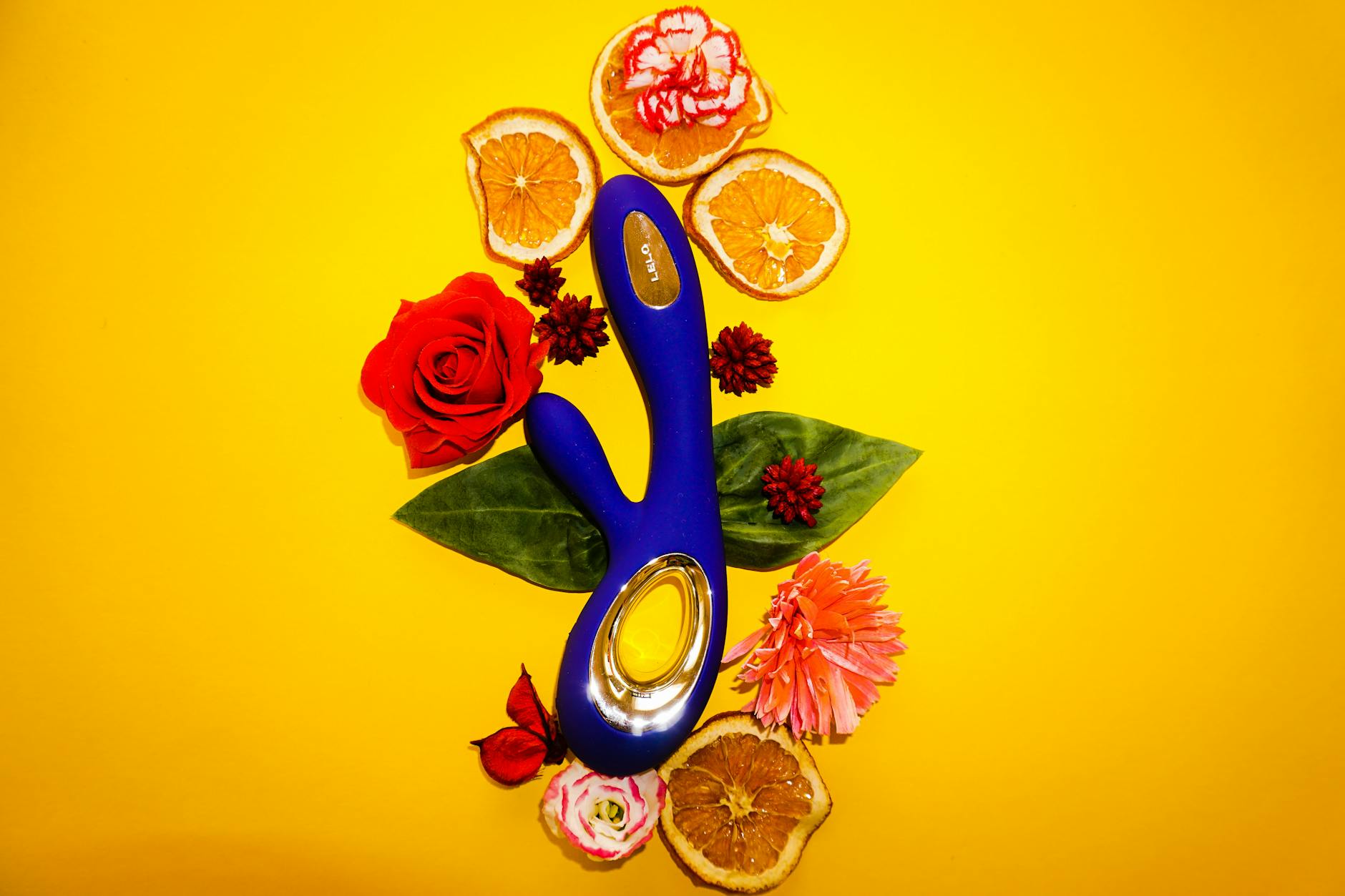
Surgery changes how sensation travels
Let's start with what nobody tells you: surgery doesn't just affect the surgical site. It affects the entire network of nerves, scar tissue, and tissue integrity in your pelvic region. If you've had a hysterectomy, oophorectomy, C-section, endometriosis excision, or pelvic floor surgery, your nervous system has essentially been rerouted. That's not dramatic. That's anatomy.
This means when you pick up a lemon vibrator weeks or months post-surgery, it might feel like you're using someone else's body. Vibrations land differently. Pleasure doesn't follow the same map it used to. Your clitoris is intact, yes. But the pathways carrying sensation have changed. Scar tissue has altered how nerves communicate. And your brain is still learning the new landscape.
The good news: this is temporary, reversible, and entirely workable with patience and the right approach.
What actually shifts after pelvic surgery
Three main things happen at the tissue level.
Nerve sensitivity changes. When a surgeon works in your pelvic cavity, they're necessarily working near major nerve clusters. These nerves can become temporarily inflamed, desensitized, or oversensitive depending on the type of surgery and how much tissue was affected. You might experience numbness that lasts weeks or months. Some people report hypersensitivity first, then numbness later. Both are normal and usually resolve.
Scar tissue forms. Even minimally invasive surgery creates internal scarring. Scar tissue is less flexible than the tissue it replaces, which means it conducts sensation differently. If scarring is near your clitoris or the nerves that supply it, you might notice reduced sensation or a different quality of stimulation. This doesn't mean permanent damage. Scar tissue softens and remodels over 6-18 months with movement, time, and gentle stimulation.
Blood flow patterns shift. Surgery disrupts local blood circulation. Arousal depends partly on vasocongestion, the rush of blood that engorges tissue and heightens sensation. After surgery, it takes longer for this to happen, and the feeling might be less intense initially. This improves significantly by the 8-12 week mark, though full recovery takes longer.
Why lemon vibrators feel different right now
The Lem works through gentle suction and pulse patterns that stimulate the clitoris without direct friction. This is usually brilliant for sensitive tissue. After surgery, though, it might feel either too intense or not intense enough, depending on where you are in healing.
If you're experiencing numbness, you might crank the Lem to a higher setting looking for sensation that isn't there yet. Don't. Your nerves are healing. Aggressive stimulation doesn't speed that up. It just teaches your nervous system to brace against sensation.
If you're experiencing hypersensitivity, the Lem's suction might feel overwhelming or almost painful. Start at the lowest setting. The whole point right now is to reintroduce your nervous system to pleasure gently, not to chase orgasm.
How to rebuild sensation safely
Four practices that actually work.
Start with external exploration first. Before using the Lem, spend a week or two just touching yourself with your hands. No expectations. No goal of arousal or orgasm. Just gentle, curious touch on the vulva, inner thighs, and lower abdomen. This teaches your nervous system that touch is safe and redirects blood flow to the area without the intensity of vibration.
Use the Lem on the lowest setting, away from the surgical site. If your surgery was abdominal (C-section, hysterectomy), work the Lem on the inner thighs and labia first. This stimulates surrounding nerves and builds arousal without placing pressure where you're still healing. If your surgery was directly on the clitoris or involved clitoral tissue, you might skip the Lem entirely for 4-6 weeks and return to it gradually.
Make time for longer arousal sessions. Post-surgery arousal takes longer to build. That's not a bug. It's how your nervous system is protecting itself. Budget 20-30 minutes for self-pleasure instead of 5-10. Let your body gradually remember that pleasure is safe and available.
Track what feels different. Keep a simple note on your phone: what setting did I use, where on my body, what did it feel like, any pain or unusual sensation. After a week or two, patterns emerge. Maybe the Lem feels better on the right side. Maybe you need 10 minutes of thigh stimulation before clitoral touch feels good. Maybe setting 2 feels perfect now when setting 1 felt numb last week. This data is gold.
The emotional dimension nobody mentions
Here's what I see most often in my practice: people recover physically but lag emotionally. Surgery can create a grief that's hard to name. Your body did something you didn't choose. Pleasure got interrupted. And now you're supposed to just get back to normal.
You won't. Not exactly. And that's not failure.
If you're in a partnership, your partner may also be grieving. They might be afraid to touch you. Afraid they'll hurt you. Afraid you won't want them anymore. These conversations need to happen separate from the conversation about when to resume sex. "My body is healing" is different from "I don't want you." Say both things clearly.
If you're flying solo, the emotional work is just as real. You're essentially relearning your own body. That takes time. Impatience makes it slower, not faster.
When to pause and seek help
Some post-surgical sensation changes are normal. Sharp pain during arousal is not. Bleeding is not. Severe numbness lasting beyond 6 months is not. Feeling nothing at all despite normal healing timelines might point to pelvic floor dysfunction or nerve damage that needs specialist attention.
Before you return to the Lem or any vibrator, get cleared by your surgeon. Most give the all-clear at 6-8 weeks for vaginal use, but internal scar tissue continues healing for 12-18 months. There's no race. Starting too early doesn't help.
If sensation doesn't improve steadily, ask your doctor about referral to a pelvic floor physical therapist. They can assess scar tissue mobility, nerve function, and muscle tension. This is often the missing piece between "healed enough for sex" and "sex feels good again."
Rebuilding pleasure is not a straight line
Some days the Lem will feel amazing. Other days it will feel like nothing. Some days you'll notice sensation returning in a rush. Other days you'll worry you've lost it again. This is normal. Nerve healing isn't linear. Your nervous system is literally rewiring itself. That takes time.
What I know from years of working with people in post-surgical recovery: pleasure does return. It often feels different than before, sometimes better, sometimes just different. The body is remarkably good at finding new pathways. Your job is to stay patient, stay curious, and stay gentle with yourself while it does.
Your pleasure matters, even in the middle of healing. Especially then.
People also ask
How long does it take for sensation to return after pelvic surgery?
Most people notice significant improvement by 8-12 weeks. Full sensation recovery typically takes 6-18 months depending on the type of surgery and individual healing factors. Nerve recovery is slower than wound healing. Be patient with this timeline. Pushing too hard doesn't accelerate it.
Can I use a lemon vibrator immediately after surgery?
No. Your surgeon will clear you for internal use around 6-8 weeks post-op. External vibration on the vulva and thighs can sometimes start earlier, but check with your doctor first. Premature vibration can disrupt healing and increase inflammation. When you do return to the Lem, start with the lowest setting and work up gradually over weeks, not days.
Why does my clitoris feel numb after surgery even though the surgery wasn't on my clitoris?
Surgery anywhere in the pelvic region disrupts blood flow and can inflame nerves that supply the clitoris. The pudendal nerve and other sensory pathways run through your whole pelvic cavity. When a surgeon works in that space, they're working near these pathways. Numbness typically resolves as swelling decreases and nerves desensitize. This usually takes 6-12 weeks.
Should I tell my partner about the sensation changes?
Yes. And specifically. "My body is healing and sensation feels different right now" is helpful. "I might need things slower or gentler for a while" is actionable. "I'm relearning what feels good" opens conversation instead of shutting it down. Your partner isn't a mind reader. Clear communication makes intimacy work during recovery instead of creating tension.
What if sensation doesn't improve after 6 months?
Talk to your surgeon and ask for a referral to a pelvic floor physical therapist. Persistent numbness can indicate nerve compression or scar tissue that's not remodeling well. A PT can assess what's actually happening and provide targeted treatment. This is not a personal failure. It's a healing complication that responds well to specialized care.
Can I use other vibrators if the Lem doesn't feel right yet?
Yes, but start with the lowest intensity option available. Wand vibrators tend to be more intense than suction devices like the Lem. The Lem's gentle suction is usually better for post-surgical tissue, but if even that feels overwhelming, try external stimulation with your hands first. The goal is reconnection, not intensity. Speed comes later.
If you're navigating this now, know that what you're experiencing is temporary. Your nervous system is doing exactly what it's designed to do: protecting itself while it heals. Your pleasure will come back. It might look different. But it's coming.
Want to talk through your specific situation? Reach out here. I work with people in post-surgical recovery regularly, and what feels impossible now often becomes workable with the right support and timeline.