Let's name the thing nobody wants to talk about
Arousal is supposed to feel good. When it hurts instead, the instinct is to blame yourself, push through, or stop trying altogether. None of those are your fault, and none of them work.
Pain during arousal or sex is a real medical symptom, and it's more common than most people realize. The good news: it's usually addressable. The better news: lemon clitoral vibrators can be part of rebuilding pleasure once you understand what's actually happening.
Why arousal sometimes causes pain
Pain during sexual arousal or penetration (what clinicians call dyspareunia) has roughly five categories of cause, and they're wildly different from each other.
Muscle tension. The pelvic floor tightens involuntarily. This happens with anxiety, past trauma, or sometimes just chronic stress. When muscles clench, penetration or pressure feels sharp instead of pleasurable. Many people don't even realize their pelvic floor is tensing until someone points it out.
Insufficient lubrication. Arousal doesn't trigger enough natural lubrication, or lubrication that does appear is being reabsorbed too quickly. This creates friction that burns or stings. It's common after hormonal shifts, certain medications, or when anxiety is blocking the natural arousal response.
Tissue inflammation or thinning. Hormone changes, skin conditions like lichen sclerosus, or ongoing irritation can make tissue more fragile. What used to feel like gentle pressure now feels abrading.
Nerve sensitization. After repeated painful sex, your nervous system can start anticipating pain even before it happens. You tighten up preemptively. The pain becomes psychological and physiological at once.
Deeper structural issues. Endometriosis, fibroids, pelvic inflammatory disease, or other conditions cause pain that radiates during arousal. This one requires imaging and a specialist.
The connection between arousal pain and relationship stress
Here's what I see in my practice: people (especially women) who experience arousal pain often blame their partner, or their partner blames them, or both people blame themselves. The relationship suffers. Sex stops happening. Intimacy erodes.
But arousal pain is rarely about desire for your partner. It's a physical signal that something needs attention. Treating it like a relationship problem when it's actually a medical or nervous-system problem is like trying to fix a flat tire by talking about it.
The couples I work with who recover from arousal pain do one thing consistently: they separate the pain from the relationship. "My body is responding this way" becomes a shared problem to solve together, not evidence that the relationship is broken.
When you need to see a doctor first
If arousal or penetration causes sharp, burning, or radiating pain, book an appointment with a gynecologist before trying anything else. Specifically ask for someone experienced with sexual pain, dyspareunia, or vulvodynia. Not all GYNs are trained in these areas.
You're looking for: ruling out infections, inflammation, thinning tissue, structural issues, or nerve conditions. This takes maybe 30 minutes and a physical exam. If they find something, treatment (topical estrogen, antifungals, anti-inflammatories, or referral to pelvic floor PT) is straightforward.
If they find nothing structurally wrong and the pain persists, you likely have either pelvic floor tension or central sensitization (your nervous system is stuck in pain-anticipation mode). Both of those are treatable, but with different tools.
How lemon vibrators fit into the recovery process
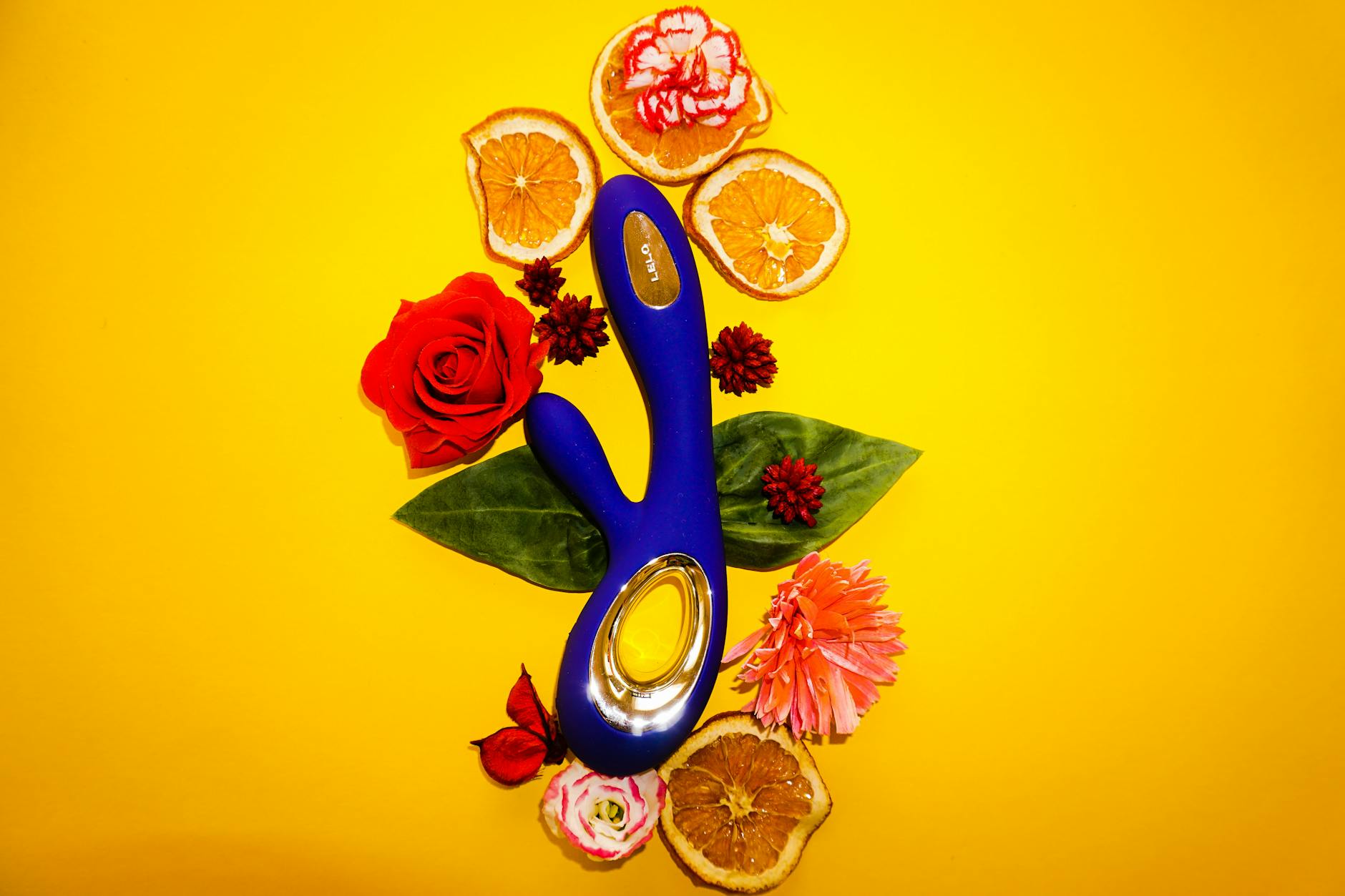
A lemon clitoral vibrator can be part of rebuilding arousal comfort, but only after you've ruled out active infections or structural damage. Here's why it works: the Lem's suction-based stimulation doesn't require the same kind of direct friction that penetration does. You get arousal and pleasure without triggering the pain response.
When your nervous system has learned to associate arousal with pain, you need to create new neural pathways where arousal feels safe. That means starting slow, building gradually, and stopping at the first sign of discomfort. The Lem lets you do this without a partner, without pressure, and with full control.
Start with zero penetration. External stimulation only. The clitoris has thousands of nerve endings; you don't need internal contact to experience pleasure or orgasm.
Use the lowest settings. Patterns 1 or 2. You're retraining your nervous system to associate sensation with pleasure, not pain. This takes time. Rushing defeats the purpose.
Add lubricant even if you don't think you need it. Water-based, always. This removes friction and gives your nervous system permission to relax.
Set a timer for 10-15 minutes maximum. If pleasure builds, great. If it doesn't, that's fine too. The goal isn't orgasm; it's safety and sensation without pain.
Working with your partner through arousal pain
If you have a partner, the conversation matters as much as the medical treatment. Here's what I recommend saying:
"My body is experiencing pain during arousal right now. That's not about you, and it's not about my desire for you. It's a physical signal that something needs attention. I'm going to work with a doctor and maybe a pelvic floor specialist. In the meantime, I need you to know that if something hurts, I'm going to stop, and I need that to be okay. We can rebuild this together, but it's going to look different for a bit."
A partner who loves you will hear that as a request for patience, not rejection. If they don't, that's a different conversation, and it might be worth exploring with a therapist who specializes in couples work.
Pelvic floor physical therapy is not optional
If muscle tension is part of your pain picture, a pelvic floor physical therapist can teach you to release tension you didn't know you were holding. They use internal massage, biofeedback, breathwork, and sometimes wand vibrators to help muscles relax.
Yes, this sounds intense. It is, a little. But it works. Most people see real improvement in 6-8 sessions. This is worth the investment if arousal pain has been limiting your life.
What to avoid while you're recovering
Don't push through pain hoping it'll get better. It won't; it'll get worse, and your nervous system will learn to dread arousal even more.
Don't assume it's permanent. Arousal pain is usually very treatable once you know what's causing it.
Don't isolate. Talk to your partner, your doctor, or a therapist. Shame keeps people silent and stuck.
Don't compare your recovery timeline to anyone else's. Some people feel better in weeks. Others take months. Both are normal.
Rebuilding pleasure is possible
Arousal pain is real and it's not your fault. It's also not the end of your sexual life. People recover from this all the time, and they often report that their pleasure afterward feels richer because they had to slow down and pay attention to what actually works for their body.
Start with a doctor. Add a pelvic floor specialist if needed. Use tools like lemon clitoral vibrators as part of your retraining process, not as a fix on their own. And give yourself permission to rebuild at your own pace.
Your pleasure matters. Your comfort matters more.
Frequently asked questions
Can I use a lemon vibrator if I have pelvic floor dysfunction?
Yes, but carefully. Start with the lowest settings and external stimulation only. Many people with pelvic floor tension find that gentle, rhythmic stimulation actually helps muscles learn to relax. That said, working with a pelvic floor PT while using vibrators gives you real-time feedback on whether you're progressing. You want to know if the tension is easing or if you're accidentally clenching harder.
Does arousal pain mean my relationship is in trouble?
Not necessarily. Arousal pain is a physical symptom that can happen in any relationship, at any stage. What matters is how you and your partner respond to it. If you treat it as "our problem to solve together," most couples come through it stronger. If you treat it as blame or failure, the relationship suffers. The pain itself isn't the issue. The communication around it is.
How long does it take to stop feeling pain during arousal?
It depends on the cause. If it's a yeast infection or easily treated inflammation, days to weeks. If it's pelvic floor tension or hormonal thinning, usually 6-12 weeks with consistent work. If it's trauma-related or central sensitization, 3-6 months is more realistic. The important thing is that you should start feeling improvement within 2-3 weeks of treatment. If you don't, talk to your doctor about adjusting the approach.
Is it normal to feel anxious about arousal after experiencing pain?
Completely. Your nervous system learned that arousal signals danger. That's not a character flaw; that's how brains work. The anxiety is actually a sign that you need to rebuild arousal in a slower, more controlled way. This is where pelvic floor PT and tools like vibrators that give you full control are so valuable.
Can I still use a lemon vibrator if I haven't had sex in a long time because of arousal pain?
Yes, and it might actually be a good place to start. Solo pleasure removes the pressure to perform or worry about a partner's experience. You can go at your own pace with zero judgment. Many people find that rebuilding solo arousal comfort first makes partnered sex feel less fraught.
Should I tell my doctor I'm using a vibrator?
Yes. Your doctor needs the full picture of what you're doing to understand what's working and what isn't. Also, there are certain medical conditions where vibration might not be recommended, so honesty helps them give you better advice. Most doctors are completely unfazed by this question.
What if the pain gets worse after I start using a vibrator?
Stop immediately and contact your doctor. Vibration might be irritating something that needs different treatment. Don't push through; this is your body's way of telling you something isn't right. Switching tools or adjusting settings is often the answer, but your doctor needs to know what's happening first.