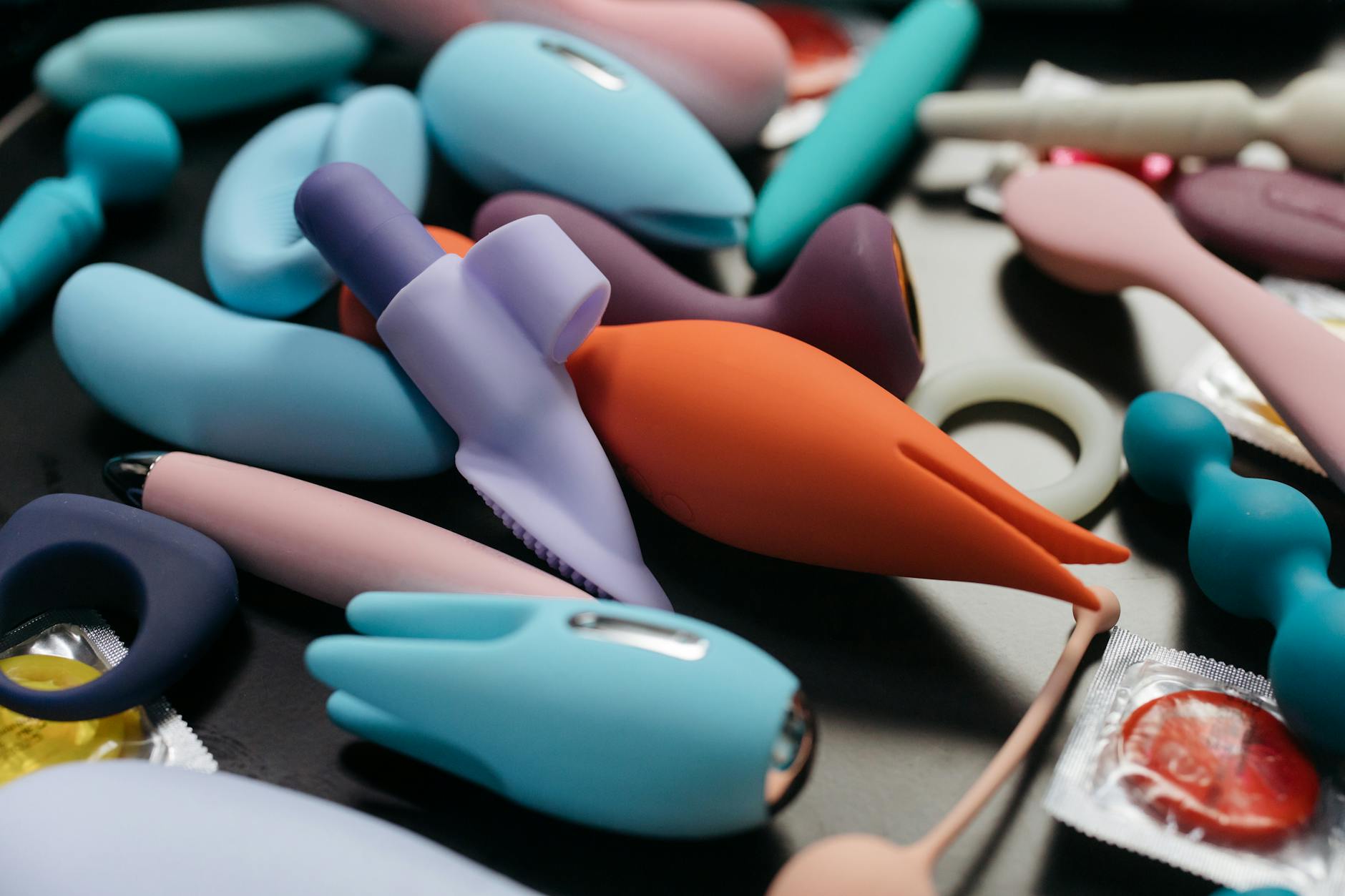
The thing no one warns you about
Antidepressants save lives. They also flatten sensation in ways that feel deeply unfair. You take medication because you need it, and suddenly the pleasure you relied on feels like it's underwater, muffled, unreliable. Your body isn't broken. Your medication is doing its job, just not the job of keeping your nerve endings awake.
Here's what's actually happening, and what you can do about it.
Why medications numb sensation
SSRIs, SNRIs, tricyclic antidepressants, and some anti-anxiety meds work by changing how your brain processes neurotransmitters. That's good for stabilizing mood. But the same mechanism that calms anxiety also dampens the signal flow to your genitals. It's not your imagination. It's neurochemistry.
Some medications are worse than others. Sertraline and paroxetine tend to be harder on sexual function than, say, bupropion or mirtazapine. But even the "better" ones can dull things. And dulling sensation doesn't just mean less pleasure. It means it takes longer to feel anything at all, which then makes arousal feel like work instead of desire.
The thing people don't realize: this is one of the few medication side effects where external tools actually help.
Why lemon vibrators work differently here
There's a difference between a vibrator that stimulates nerves you can already feel and one that wakes up nerves that feel asleep. Suction-based devices like the Lem vibrator use air-pulse technology instead of traditional vibration. Here's why that matters when sensation is muted.
Traditional vibration requires your nerve endings to already be somewhat responsive. If sensation is blunted, the buzz just feels like background noise. Suction works differently. It creates a gentler, broader stimulus that engages deeper nerve pathways. It doesn't demand that your surface nerves be awake. It kind of coaxes them awake.
Most of my clients on SSRIs or SNRIs report that lemon clitoral vibrators feel noticeably different from what they've tried before. Not because the Lem is magically superior (though the design is thoughtful), but because suction bypasses the dead zone that regular vibration can't penetrate.
How to rebuild sensation step by step
Start with consistency, not intensity.
When sensation is medication-blunted, the instinct is to turn everything up to maximum. Resist that. Your nerves need to remember what waking up feels like. Use the Lem on the lowest setting, 15-20 minutes daily. Yes, daily. This isn't a once-a-week thing. You're retraining your body's signaling system.
Warm your body first.
A warm bath, a heating pad on your lower belly, or simply being warm in general increases blood flow to your genitals. Medication narrows that flow. Heat helps counteract it. Spend 10-15 minutes warming up before you touch anything.
Use it solo, without expectation.
The pressure to feel something during partnered sex makes everything harder. When you're alone, there's no performance anxiety layered on top of the medication side effect. You can actually notice what's happening. Some days you'll feel a lot. Some days, barely anything. Both are fine. You're building a baseline.
Keep lubrication generous.
Medication can also reduce natural lubrication. A water-based lube isn't just for comfort. It's a conductor for sensation. Apply it liberally, reapply it often. The Lem works well with lube because the suction creates a seal, which means you feel the sensation more intensely even if baseline feeling is lower.
Timing and conversation with your doctor
Here's what I wish more people knew: medication timing matters for sex. Some SSRIs are worse right after you take them. Others level out in your system over hours. If you know you want to have partnered sex or explore solo pleasure, ask your doctor if you can shift the timing of your dose to, say, right before bed instead of morning. Sometimes that small change is huge.
Also tell your doctor about the numbness. Not because they'll necessarily change your medication (sometimes the mood stability is more important), but because they might suggest adjunct treatments. Low-dose bupropion can help counteract SSRI-related sexual side effects. So can certain other medications, depending on what you're on. Or your doctor might refer you to a therapist who specializes in this. These conversations are worth having.
What not to do
Don't quit your medication to get your sensation back. I know the impulse is there. Resist it. Depression and anxiety are not better than blunted pleasure. You deserve both stability and sensation, and there are ways to move toward that.
Don't assume you're broken if a lemon vibrator doesn't instantly fix everything. Rebuilding sensation takes weeks, sometimes months. If you've been on medication for years, your nervous system has been running on a particular setting the whole time. You're asking it to remember a different setting. That takes patience.
Don't hide this from your partner. If you're in a partnership, the numbness affects them too, whether they realize it or not. They might be taking longer to build your pleasure, or working harder, without understanding why. The conversation is uncomfortable for about five minutes, then it becomes useful.
The broader picture
Medication-related numbness isn't a permanent state. With consistent use of the right tool (and the Lem's suction design genuinely does help here), most people report noticeable improvement within 4-6 weeks. Some faster, some slower. The brain and body are adaptable. Sensation can come back.
In the meantime, you're allowed to use tools that help. That's not cheating. That's not a workaround. That's using available technology to support your body while it's under the influence of medication that's keeping you stable.
The medication isn't the enemy. Numbness isn't permanent. And you absolutely deserve pleasure alongside your mental health care.
People also ask
Can I adjust my medication to get sensation back?
Maybe. Talk to your prescribing doctor about the timing of your dose, the specific medication you're on, or whether a different SSRI might work better for you. Some have fewer sexual side effects than others. Your doctor might also suggest adding a second medication that counteracts sexual side effects, or switching to something like bupropion. Don't change your dose yourself, but absolutely advocate for solutions.
How long does it take for sensation to come back?
Most people notice improvements within 4-6 weeks of consistent use of a tool like the Lem vibrator, combined with daily practice. Some feel it within days, some take longer. Your nervous system has its own timeline. The key is consistency. Using the vibrator three times a week won't rebuild sensation the way daily use does.
Is numbness from SSRIs or SNRIs permanent?
Not necessarily. When people come off medication, sensation usually returns within weeks. While you're on medication, sensation can improve through consistent stimulation and nervous system retraining. It's not a permanent loss, though it can feel that way when you're in it.
Does the type of vibrator matter if I'm on antidepressants?
Yes. Suction-based vibrators like the Lem tend to work better than traditional vibration for medication-blunted sensation because they engage deeper nerve pathways rather than requiring surface-level responsiveness. If you've tried standard vibrators and they felt like nothing, a lemon clitoral vibrator is worth trying.
Should I tell my partner about medication-related numbness?
Yes. If you're in a partnership, the numbness affects both of you. Your partner might be interpreting slower arousal as lack of desire, or taking longer to bring you pleasure and wondering if they're doing something wrong. A simple conversation shifts the whole dynamic from confusion to collaboration.
Can I combine other tools with my lemon vibrator?
Absolutely. Warming your body, using generous lubrication, trying different settings on the vibrator, and building in longer arousal time all amplify each other. Some people also find that certain types of touch (firm pressure versus light touch) feel more awakening than others when sensation is muted. Experiment in solo sessions first, then bring what works into partnered play.
Final thought
Medication that numbs your sensation isn't a fair trade-off. Your mental health matters, and so does pleasure. The fact that you're looking for solutions suggests you haven't given up on either. Keep going. The tools exist, and they work.
If you have questions or want to explore what might work for your specific situation, reach out at /contact to connect with our support team. We're here to help.