Let's start with the obvious thing nobody says
Stress doesn't just kill your mood. It physically shuts down arousal. When your nervous system is in fight-or-flight mode, your brain deprioritizes pleasure because it thinks you're under threat. That's not a character flaw. That's biology. And it's fixable.
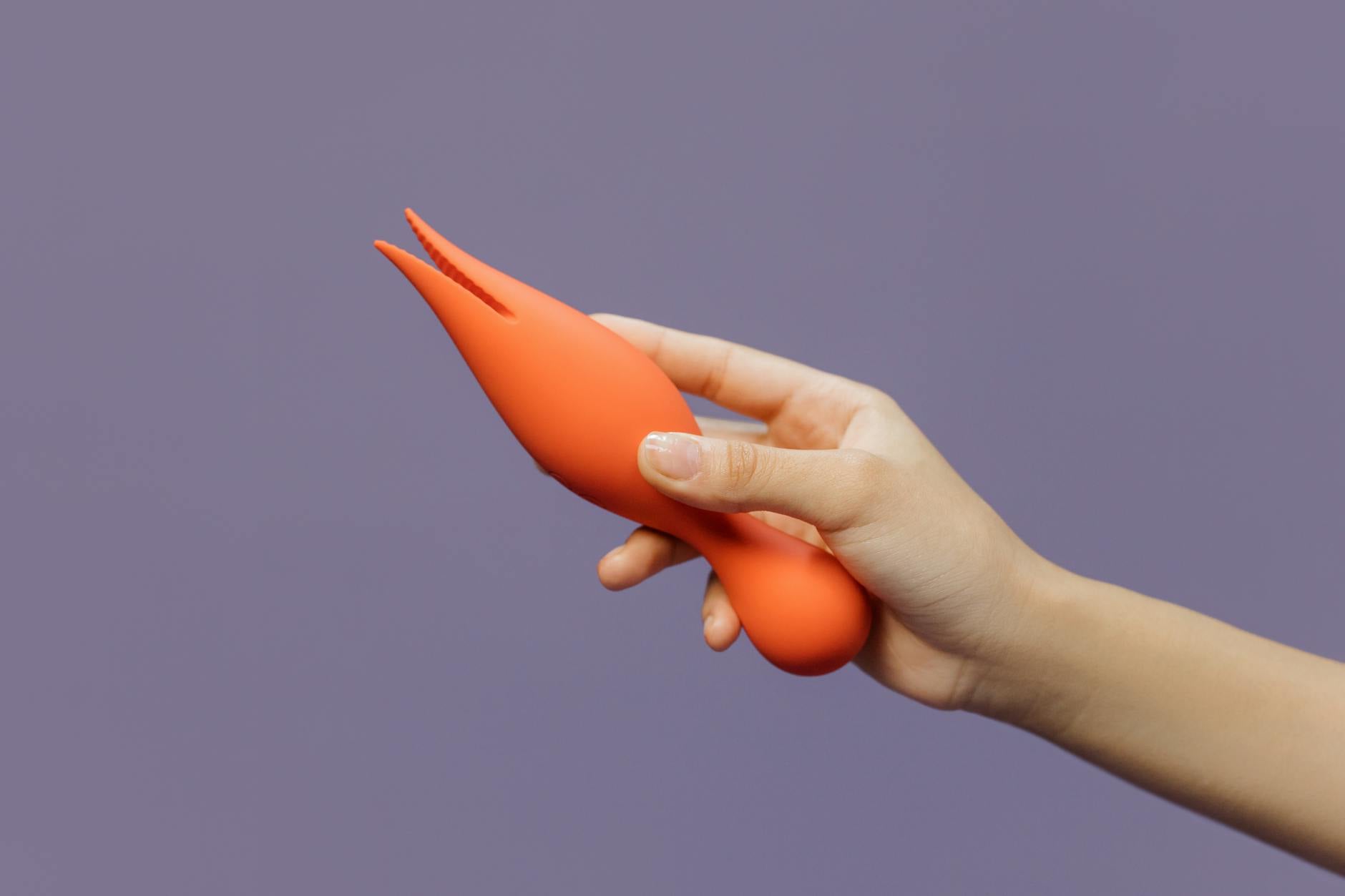
Here's what happens: cortisol spikes, blood vessels constrict, sensation dulls. Your body is literally telling you it doesn't have bandwidth for sex right now. The guilt that follows ("I should want this") just deepens the problem. But there's a way through it. The Lem clitoral vibrator works differently than you might expect when stress has flatlined your desire. It's not about force. It's about recalibrating your nervous system.
Why stress tanks desire (and why the Lem helps)
When you're under sustained pressure, three things happen sexually. First, blood flow redirects away from genital tissue and toward your muscles (preparing you to run or fight). Second, your brain becomes hypervigilant, scanning for threats instead of settling into sensation. Third, cortisol interferes with dopamine, the neurotransmitter that drives desire.
Most vibrators respond to this by increasing intensity. The Lem does the opposite. The suction-based design creates a different neurological response than traditional vibration. Suction engages nerve endings without requiring your body to generate arousal first. It starts the chain reaction rather than demanding you arrive with desire already intact.
This matters because stress-suppressed libido isn't about "trying harder." It's about lowering the activation energy required to feel pleasure again.
The reset ritual when desire feels completely absent
If your libido has flatlined entirely, don't start with the Lem during partnered sex. Start alone, in a low-pressure context. Here's the framework I recommend to clients.
Step one: Permission. Tell yourself that pleasure right now isn't about performance or proving anything. It's purely self-diagnostic. You're checking in with your body. That's it.
Step two: Environment. Not elaborate. Just remove obvious stressors. Phone in another room, door locked, no background noise that reminds you of work. Even five minutes in a space where nothing is demanding your attention shifts your nervous system state.
Step three: The first session. Start the Lem at its lowest setting. Don't aim for orgasm. Use it for 5-10 minutes and notice what you feel. Warmth, tingling, numbness, nothing at all. All of these are data, not failures. The point is to reactivate sensation when stress has muted it.
Step four: Frequency over intensity. For the first two weeks, use the Lem three times per week at low settings. This trains your nervous system that pleasure is safe and available. Consistency matters more than duration.
Most people feel a measurable shift in desire within two weeks. Not because the vibrator is magical, but because you've told your body that pleasure is a priority again.
When your partner doesn't understand the slowdown
This is where things get complicated. If you're in a relationship and stress has tanked your desire while your partner's hasn't, you're likely getting pressure (conscious or not) to perform. That pressure makes everything worse.
I recommend a conversation that separates three things. One: your desire is down because of external stress, not relationship problems. Two: your partner's need for sex is valid, and so is your need for space. Three: the Lem can be a bridge, but only if using it feels like your choice.
Lemon clitoral vibrators create an interesting opportunity here. Because they work so efficiently, solo use with a Lem takes 15-20 minutes instead of 45. You can meet your own pleasure needs without it becoming this huge time commitment. That's especially useful when you're already stretched thin.
If your partner wants to watch, that's a separate conversation and a separate skill set. Some people find it reconnecting. Others find it adds pressure. Both are valid. Just decide consciously instead of defaulting to yes because you feel guilty about the libido drop.
The mental block layer (and why the Lem bypasses it)
Here's the thing stress does that's really tricky: it creates persistent guilt about not wanting sex. You feel bad, so you try to want it, so you feel worse. Then the Lem feels like another obligation instead of a gift.
To break that loop, you need to separate two conversations. One is physiological: your body needs recovery. The other is emotional: you need to stop punishing yourself for that need. The Lem can help with the first one. You need to handle the second one separately.
That might mean journaling about what you're stressed about, talking to a therapist, or just acknowledging that you're in a season of life where pleasure is lower priority and that's temporarily okay. You're not broken. You're human.
Where the Lem becomes powerful is after you've made peace with the slowdown. Once you stop fighting your body and start listening to it, the lemon clitoral vibrator becomes a tool for gradually rebuilding sensation and desire rather than a thing you're "supposed" to use.
Practical adjustments for stress-suppressed arousal
Three tweaks make a huge difference when stress has muted you.
Use lubricant even if you don't think you need it. Stress reduces natural lubrication. Water-based lube isn't a sign that something's wrong. It's a practical adjustment that makes sensation more accessible. The Lem's suction design works best when there's some glide. Don't skip this step.
Warm up your nervous system first. Spend 10 minutes doing something that feels good before using the Lem. A warm shower, a cup of tea you actually taste, five minutes outside. Anything that signals safety to your body. Then use the Lem. The combination works better than jumping straight to stimulation.
Set a timer for the first few sessions. When libido is low, it's easy to put pressure on yourself to "get there." Setting a 15-minute timer gives you permission to stop without judgment. You're not failing if the timer goes off and you're not close to orgasm. You're succeeding at reconnecting with sensation. Orgasm is optional.
After two to three weeks of this, most people notice that orgasms become more accessible. Not because you've "fixed" yourself, but because your nervous system has downshifted from alert to safe.
When stress-related libido loss is a sign of something deeper
If your desire has been low for more than three months despite reducing external stress, it's worth checking in with a doctor. Low libido can signal thyroid issues, vitamin deficiencies, hormonal changes, or depression. A clitoral vibrator can help you rebuild pleasure during recovery, but you want to rule out the medical stuff first.
Similarly, if stress-related libido loss is happening alongside resentment in your relationship, a vibrator won't fix that. The Lem is a tool for reconnecting with pleasure. It's not a substitute for the actual conversation you need to have with your partner about how you're both feeling.
The recalibration path back to normal
Once you've been using the Lem consistently for a few weeks and sensation is returning, you can gradually experiment with higher settings. This is different from the first phase. Now you're not just recovering sensation. You're exploring what pleasure can feel like when you're ready.
Many people find that their orgasms feel different after a stress-recovery cycle. Sometimes sharper, sometimes more diffuse, sometimes just easier to access. None of that is wrong. Your body is telling you what it needs right now.
The real shift happens when the Lem stops feeling like a recovery tool and starts feeling like a choice. That's when you know your libido is genuinely coming back online. You're not using it because you think you should. You're using it because you want to. That distinction matters.
Stress will probably come back. That's life. But now you know that desire doesn't vanish permanently. It pauses. And when it pauses, you know how to gently bring it back.