Let's start with what actually happens
Vaginal atrophy sounds clinical and scary. What it means: the lining of the vagina gets thinner, less elastic, and produces less natural lubrication. This happens when estrogen drops. It's incredibly common, affects about half of post-menopausal people, and it's not a reflection of anything wrong with you or your body.
Here's the thing that nobody explains clearly: vaginal atrophy affects penetration, but it barely touches clitoral pleasure. That distinction is everything.
Why your clitoris isn't affected the same way
The clitoris doesn't thin out when estrogen drops. It has its own blood supply, its own nerve density, and its own arousal pathway. When the vaginal tissue gets thinner, your clitoris is sitting there completely unbothered, with exactly the same capacity for sensation it always had.
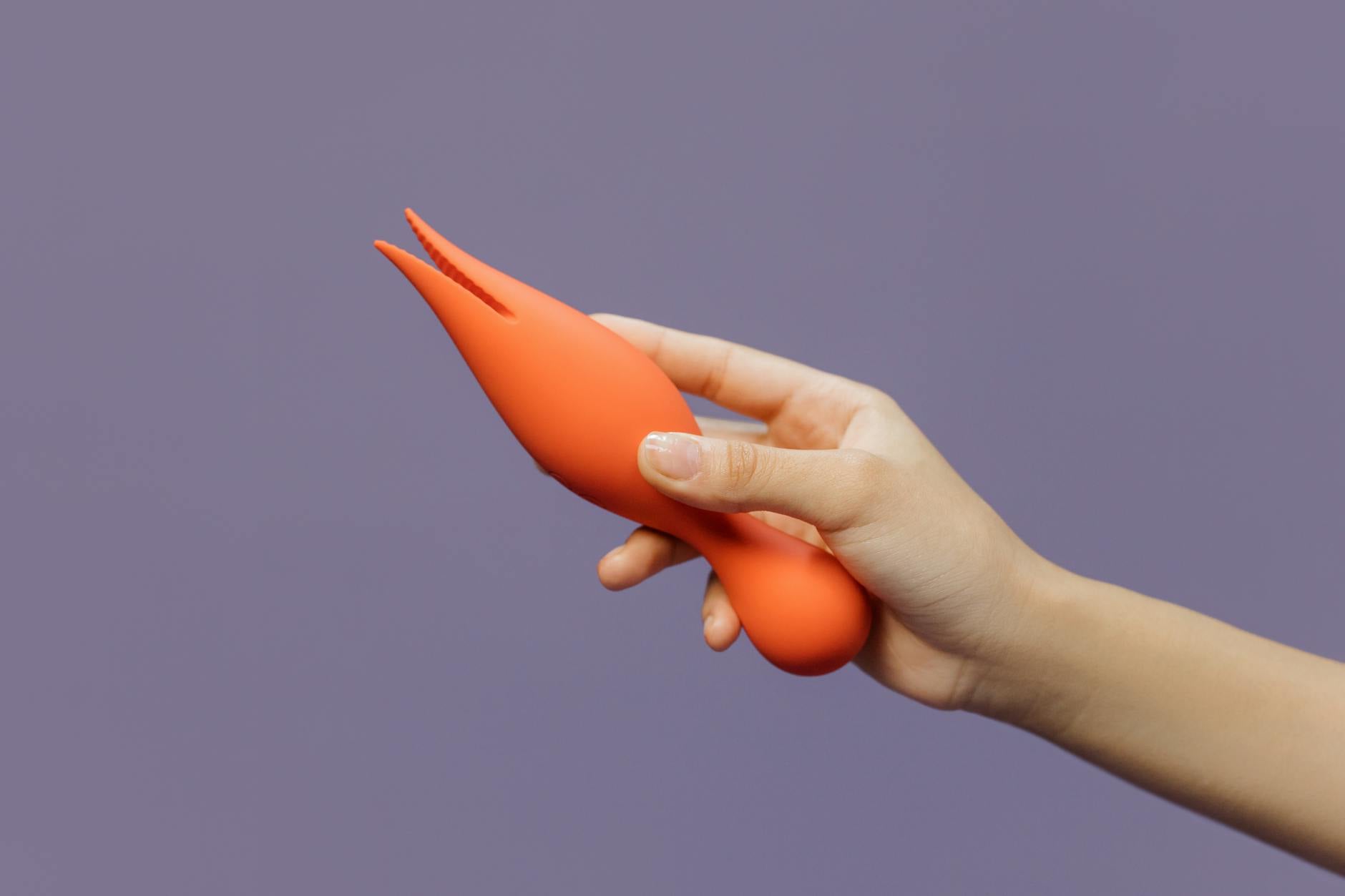
This is why a lemon clitoral vibrator works so differently from penetration-focused toys during and after vaginal atrophy. You're not trying to work around a tissue problem. You're engaging a system that's functionally unchanged.
The neural pathways for clitoral pleasure are also protected. Estrogen levels don't rewire your brain's response to touch. What changes is physical access and comfort, not capacity.
How suction bypasses tissue sensitivity
Traditional vibrators create stimulation through friction and rhythm. If your vaginal tissue is thinner and more sensitive, friction can genuinely hurt. It's not psychological. The tissue is more fragile, and direct pressure or rapid movement can feel raw.
Lemon vibrators use suction instead. They create a gentle seal and pull, which stimulates the thousands of nerve endings in and around the clitoris without requiring thick, elastic tissue. You're not rubbing anything. You're activating neural pathways through a completely different mechanism.
This matters because it means people with vaginal atrophy often report that lemon suction vibrators feel better than they did before atrophy started. Not because the vibrator healed anything, but because friction was never optimal for them in the first place. Suction is gentler, more direct, and works beautifully on tissue that's thin or sensitive.
Many of my clients say their most intense orgasms come after starting lemon clitoral vibrators post-atrophy. The pleasure pathway was always there. The toy just stopped putting pressure on sore tissue.
The role of lubrication (and when it matters)
Yes, you'll need lubrication. But not because the clitoris is dry. The clitoris self-lubricates just fine. You'll use lube because the suction seal needs a little slip, and because some people appreciate extra glide around the vulva.
Water-based lubricant works beautifully with lemon vibrators. Apply a small amount around the clitoral area and the rim of the toy before turning it on. You're not trying to lubricate the clitoris itself. You're just easing the initial contact.
This is different from penetration, where lubrication prevents friction pain inside the vagina. Here, it's about comfort at the surface. Many people find they need less lube with suction toys than with traditional vibrators because there's no friction to manage.
Hormonal treatment and toys can work together
If your doctor has prescribed a topical estrogen cream, that's addressing the root cause of vaginal atrophy. It rebuilds tissue thickness and elasticity over 4-8 weeks. But it doesn't restore pleasure immediately, and it doesn't make penetration feel good if your own desire hasn't returned yet.
Lemon suction vibrators fill that gap. While you're rebuilding vaginal tissue with medical treatment, you can still access clitoral pleasure without triggering pain. This matters for long-term outcomes because pleasure practice now means you won't have to relearn your body later.
Some people also use systemic hormone therapy (patches, pills) which works more slowly but affects the whole body, including mood and desire. Again, toys plus medicine works better than either one alone.
Starting with lower intensity patterns
When you're using a lemon vibrator after vaginal atrophy, begin at the lowest setting. Not because your clitoris is broken, but because starting low lets you find the sensation sweet spot without overwhelming tissue that's been through change.
Most lemon clitoral vibrators have several intensity levels. Start at pattern one. Spend a few sessions here. Your clitoris will remind you what it's capable of. Then gradually work into higher intensities if you want to.
Many people report that they never actually move past level two or three. The pleasure is so direct and efficient that extra intensity feels like noise. That's completely normal and nothing to fix.
Rebuilding sensation with a partner
If you share pleasure with a partner, this is a great time to reframe what sex looks like. Vaginal atrophy often coincides with a partner realizing they want to focus more on clitoral pleasure anyway because penetration becomes uncomfortable for you.
Instead of treating this as loss, treat it as reorientation. A lemon clitoral vibrator with a partner present creates new intimacy. They can control it, watch your response, or simply be there while you pleasure yourself. Many couples find this transition opens up conversations they'd been avoiding for years.
The person with the vulva often reports that external stimulation feels way more connected when there's physical affection happening simultaneously. A hand on your back, a partner kissing your neck, or just being naked together changes the whole experience.
When to see a doctor about it
If penetration is painful even with thick lubrication and time for arousal, that's genitourinary syndrome of menopause (GSM), and it's worth mentioning to your GP. Topical estrogen creams are standard treatment, highly effective, and have minimal systemic absorption. They work quickly.
If you've lost all desire and no amount of clitoral stimulation is getting you interested, that's different from atrophy. That's often low testosterone or depression, both treatable. A menopause-trained doctor can run tests and offer options.
If you experience bleeding after sex or unusual discharge, mention that too. Vaginal atrophy can make the tissue bleed more easily, but bleeding can also signal something else that needs attention.
The truth about pleasure after atrophy
Vaginal atrophy is real, common, and manageable. It changes how penetration feels. It does not end clitoral pleasure. Many people find that lemon vibrators, combined with medical treatment and honest conversations with partners, actually unlock pleasure they didn't have before because they're finally focused on what actually works for their body.
You're not starting from zero. You're recalibrating. And a lemon clitoral vibrator is the exact right tool for that work.