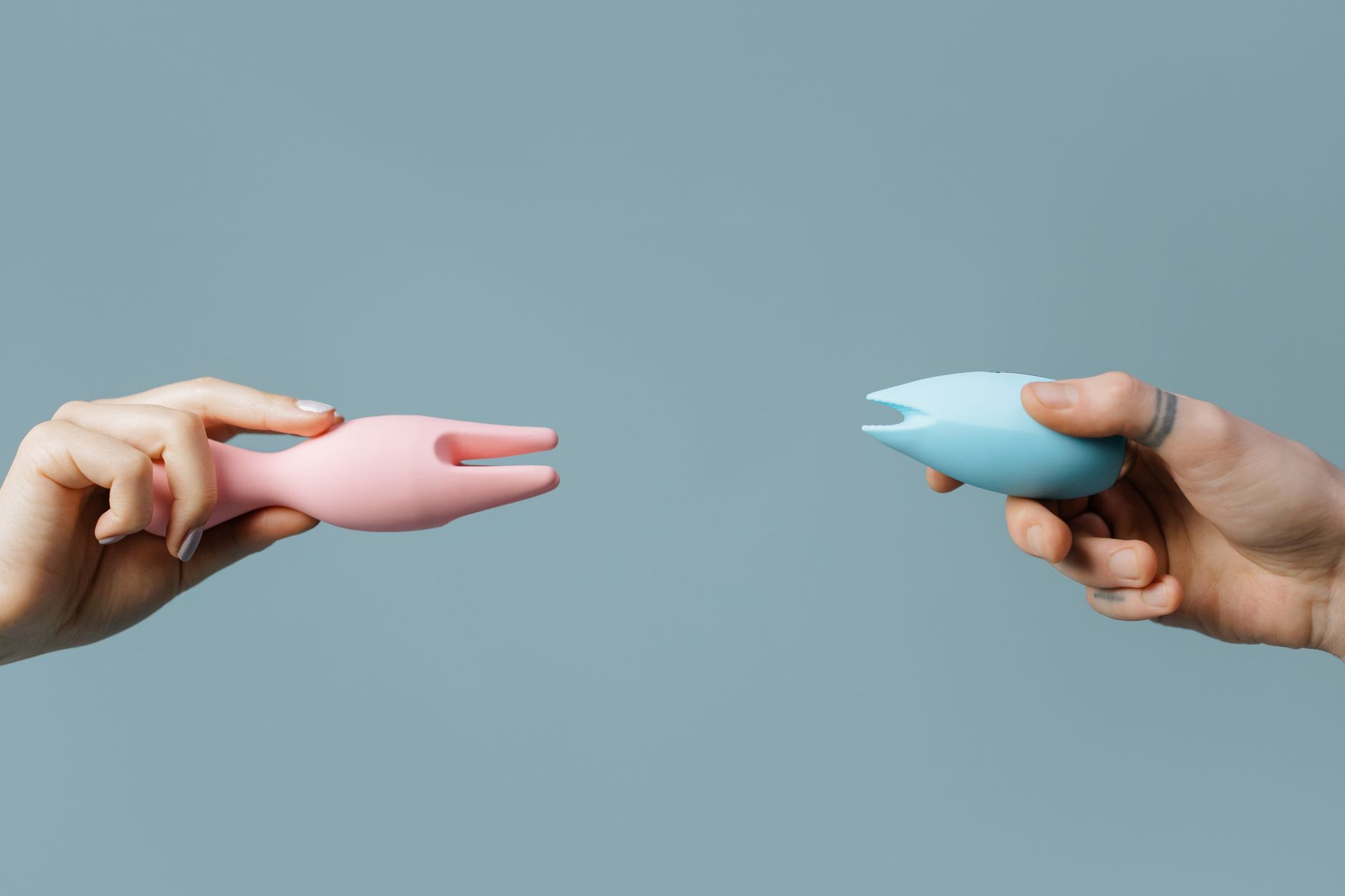
How Lemon Vibrators Improve Sensitivity After Long-Term Numbing From Traditional Vibrators
Spent years with a traditional vibrator? Here's why a lemon clitoral vibrator feels completely different and how to wake up sensation that's gone quiet.
You've been using the same vibrator for years. It worked great. Then one day you realized it barely registers. Your clitoris feels like it's wrapped in cotton. You turn up the intensity, but even the highest setting feels distant, muffled. You're not broken. You've hit the buzzing wall.
Here's what's actually happening: traditional vibrators rely on oscillation, a rapid back-and-forth motion that stimulates through friction. Over time, repeat exposure to that exact frequency trains your nerve endings to tune it out. Your clitoris literally becomes less responsive to it. This is called sensory adaptation, and it's one of the most common reasons people think their body has stopped working.
It hasn't. It's just asking for something different.
A lemon clitoral vibrator works on an entirely different principle. Instead of buzzing, it uses suction and release, creating a gentle vacuum that stimulates the whole clitoral complex, not just the external tip. This is mechanically and neurologically different from what your body has been trained to ignore.
Think of it this way: if your traditional vibrator is a single frequency on a speaker, a lemon suction vibrator is a completely different instrument. Your nervous system wakes up because it's receiving a new signal. Clients who switch over often report sensation coming back within the first few uses, sometimes dramatically.
The reason this works is anatomical. The clitoris has 8,000 nerve endings, and they're distributed across internal branches as well as external tissue. Suction engages a larger surface area and a different type of stimulation: pressure and rhythm changes instead of pure vibration. Your nerves haven't adapted to this pattern yet. They're paying attention again.
When sensation comes roaring back, it can feel too much. Suddenly you're aware of textures and pressures you haven't felt in years. The softest setting might feel overwhelming. This isn't a sign the toy is wrong for you. It's a sign your body is waking up.
Here's what I tell clients in this phase: start with the lowest intensity setting. Spend 5-10 minutes just getting used to the sensation without expecting an orgasm. Your nervous system needs permission to recalibrate. Think of it like stretching a muscle that's been immobile. You wouldn't sprint on day one.
Many people also notice they need less time overall. Because suction stimulates more broadly and effectively, you might reach orgasm faster than you did with your old vibrator. That's not a sign anything is wrong. That's your clitoris remembering what responsiveness feels like.
Four concrete things that help during the transition:
Start low and stay there for a week. Don't jump to higher settings because you think you need to. Sensation rebuilds fastest when you're not fighting the tool.
Use lube, even if you think you don't need it. Water-based lubricant creates a better seal with the suction cup and helps your tissue stay comfortable during the sensitivity rebuild phase.
Set a timer for 15 minutes max. Even though suction is gentler in some ways than traditional vibration, extended sessions can fatigue newly sensitive tissue. Brief, frequent sessions rebuild sensation faster than one long marathon session.
Notice what comes back first. Most people report pressure and rhythm sensitivity returning before temperature or texture sensitivity. You might feel the suction pattern clearly before you feel subtle vibrations. That's the normal order.
Sensory numbing isn't just about the physical sensation. It erodes confidence. You start to believe your body doesn't respond. If you're partnered, you might stop asking for what you want because you've convinced yourself you don't want much. You start performing pleasure instead of feeling it.
Recovering sensation often means recovering something else: permission to prioritize your own experience. As you rebuild responsiveness with a lemon clitoral vibrator, you're literally rewiring your nervous system to care about subtlety again. That carries over. You start noticing what your partner does. You ask for things. You say no to things that don't work. Sensation is political.
Some people recover full sensitivity in two weeks. Others take two months. Your timeline depends on how long you used traditional vibrators, how frequently, the intensity you typically used, and your individual neurology. There's no "normal" here. The direction is what counts. Are things getting more responsive? Are you noticing new sensations? Are you enjoying the experience more? Then it's working.
One note: if after a full month of regular use with a lemon vibrator you're still not noticing any change, and sensation matters to you, check in with a pelvic health provider. Rarely, sensory numbing can indicate something else (pelvic floor tension, hormonal shifts, or nerve compression). It's worth ruling those out. But in most cases, the switch from traditional vibration to suction does the work on its own.
Here's something else clients ask: can I still use my old vibrator sometimes? Technically, yes. But honestly? You're rebuilding neural pathways. If you go back to the traditional vibrator during the adjustment period, you're sending your nerves mixed signals. They'll adapt right back. If sensation recovery is important to you, commit to the lemon vibrator for at least a month before branching out.
After that month, if you want to use multiple toys, your nervous system has reset. You can probably handle both without re-sensitizing to either. But during the crucial early phase, consistency matters.
Our bodies are constantly adjusting to what we feed them. That's adaptive. It's smart. It's also why the same stimulation stops working after years. Variety isn't a luxury. It's how your nervous system stays alive to sensation. Whether that means rotating between different toys, exploring different types of stimulation with a partner, or shifting intensity patterns, novelty is part of sustainable pleasure.
A lemon clitoral vibrator often becomes that novelty for people coming out of years of traditional vibrator use. It's not a "better" toy. It's a different one. And sometimes different is exactly what your body needs to remember how to feel again.
Most people notice the difference within 3-5 uses, but significant sensitivity recovery usually takes 2-4 weeks of consistent use. Your clitoris isn't damaged. It's adapted to a specific stimulus. Introducing a totally different type of stimulation (suction instead of vibration) basically tells your nervous system "wake up, something new is happening." The timeline depends on how many years you used traditional vibrators and at what intensity. Someone who's been using the same buzzing toy daily for five years might take longer than someone who switched after two years. That's normal.
Yes, absolutely. Water-based lubricant is actually helpful during the rebuild phase because it creates a better seal between the suction cup and your tissue, and it protects the area from irritation if you're more sensitive right now. Silicone-based lubes can degrade silicone toys, so stick with water-based. Don't skip lube thinking you need to "toughen up." Using lube is smart. It's not cheating.
This is rare but happens. First, make sure you're using the lowest settings and giving yourself permission to feel pleasure without racing toward orgasm. Second, check for pelvic floor tension. Sometimes what feels like numbness is actually over-tension in the pelvic floor muscles, which can block sensation. A pelvic floor physical therapist can assess this. Third, if you're on antidepressants or other medications that affect sensation, talk to your doctor. That's not a suction toy problem. It's a medication side effect that might need a different solution.
Once your nervous system has reset and you're feeling strong sensation with your lemon vibrator, yes, you can use other toys occasionally without immediately re-numbing yourself. But the honest advice: if you switch back to daily traditional vibrator use, you'll re-sensitize just as quickly as before. If you want lasting sensitivity, variety is the answer. Rotate between different types of stimulation. Use your lemon vibrator for weeks, then branch out. Your body will thank you.
Completely normal. You're waking up sensation that's been dormant. The lowest setting might feel like intensity 7 because everything is heightened right now. This passes. Use the lowest setting for a week. Your nervous system is recalibrating. After a few sessions, what felt intense at level 1 will feel right. You're not broken. You're just relearning your own body.
Discomfort (sharp pain, burning, or persistent soreness) is different from sensitivity intensity. If using a lemon vibrator causes sharp pain, stop and check with a gynecologist. You might have tissue that's too thin, a skin condition, or minor irritation that needs attention. Normal sensitivity rebuilding feels like heightened awareness, not pain. Pain is the signal to get support.