The nervous system doesn't know the separation is over
Let's be real. You've been apart for months. Maybe work took one of you away. Maybe it was travel, family crisis, health recovery, or circumstances beyond your control. You're finally back in the same space, same bed even. But your body doesn't quite believe it yet.
After extended separation, your nervous system recalibrates around solo arousal, independent rhythm, and the absence of a partner's touch. Reconnecting isn't just emotional. It's neurological. Your brain and body have gotten used to pleasure without another person in the room.
What happens to desire during long separations
Three specific things occur during months apart:
First, your arousal pathways shift. You've likely been managing pleasure solo, which trains your body to respond to specific stimuli at specific speeds. When a partner returns, their touch might feel slower, less predictable, or differently intense than you've gotten accustomed to. That's not rejection. It's recalibration.
Second, emotional vulnerability gets harder to access. Time apart doesn't just affect physical touch. It affects the mental state you need to be aroused. You've been protecting yourself, staying independent, managing without that person. Lowering those walls takes active work, not just proximity.
Third, sensations can feel almost foreign. Your partner's hands, their weight, their timing. Familiar touches can trigger a moment of "wait, who is this" before your body remembers. That initial strangeness is completely normal and temporary.
Why lemon vibrators are uniquely useful for rebuilding
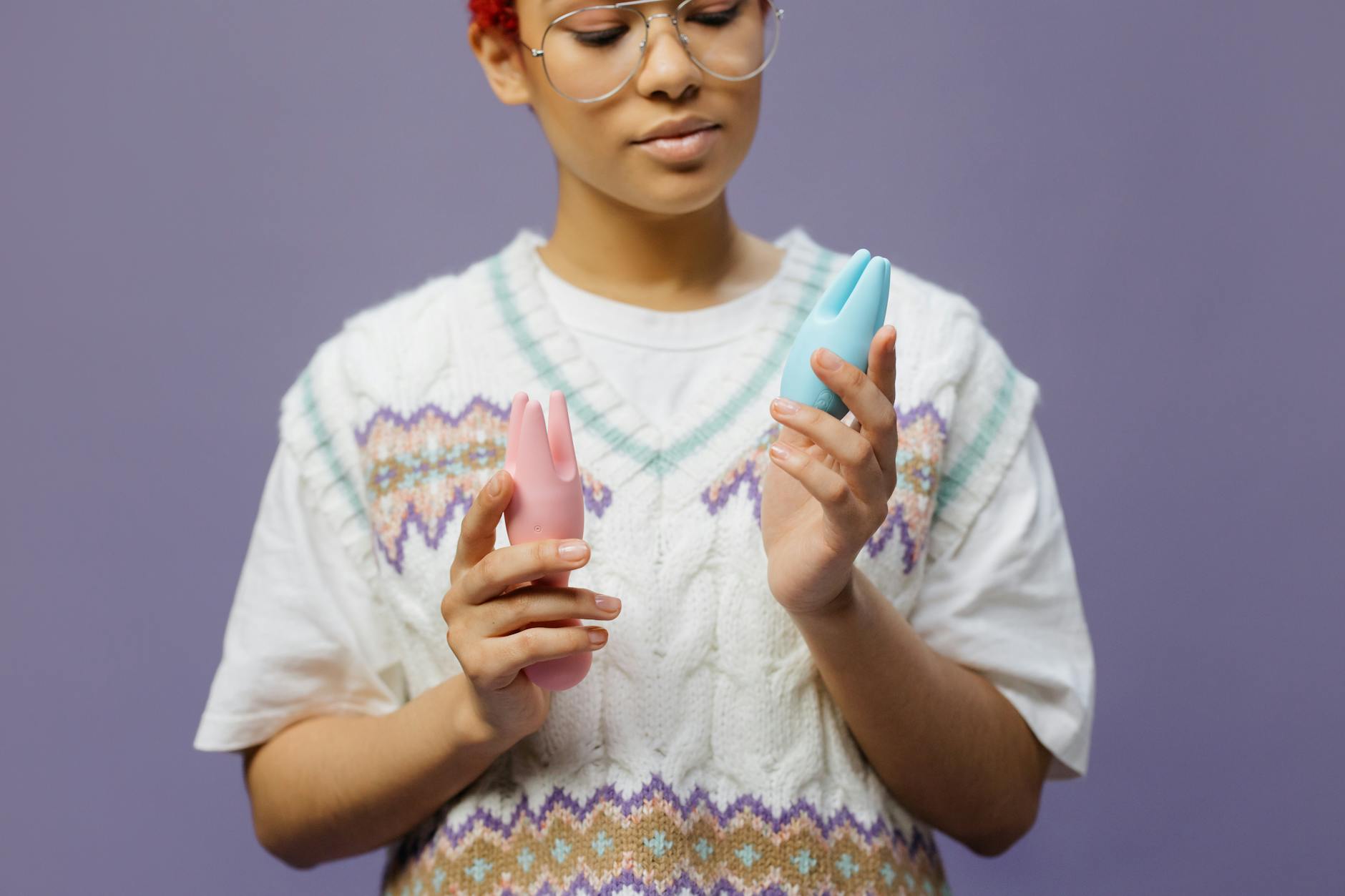
Here's where tools like the Lem come in. A clitoral vibrator gives you a bridge between solo pleasure and partnered pleasure. It's not a replacement for your partner's touch. It's a translator.
Lemon suction vibrators work differently than traditional vibration. They use gentle air pulse technology rather than buzzing, which means they don't numb the nerves the way continuous vibration sometimes can. For someone whose sensitivity has shifted during separation, suction-based stimulation is often gentler at first, then more powerful as you need it.
That matters because you're not starting from zero. Your body has muscle memory around pleasure. You just need to remember how to share it.
How to use a lemon vibrator as a reconnection tool with your partner
Four practical approaches:
1. Start solo, then bring them in. Use your lemon vibrator alone for a few sessions to remind your body what arousal feels like again. This isn't avoiding your partner. It's priming your nervous system so you're not starting from a place of pressure or performance when they're present.
2. Use it together before partnered sex. Let your partner watch or help. They can start with the first few intensity levels while you're still getting reacquainted. This removes the pressure of "does my body still work with you here" because you've already proven to yourself that it does.
3. Try it as foreplay together. Your partner can use the Lem on you, which lets them learn your current preferences without the stakes of trying to read your body through guesswork. You get to redirect them in real time without it feeling critical.
4. Use it for solo pleasure in the same room. This one feels surprisingly powerful. Knowing they're present while you pleasure yourself reconnects you both to the reality that this is still your body, your pleasure, and that's safe. Many couples find this reestablishes trust around vulnerability faster than trying to perform partnered sex when you're still uncertain.
The key is removing the assumption that reconnection sex should feel exactly like it did before. It won't. And that's not a problem.
The emotional work that tools can't do (but can support)
A lemon clitoral vibrator can't fix an argument about why you were apart, or rebuild emotional trust, or resolve resentment that built up during separation. Those require conversation, often with a therapist.
But it can remove the physical awkwardness that makes emotional conversations harder. When you're both tense about whether sex will "work" after months apart, that tension bleeds into every other interaction. Once physical reconnection stops feeling like a minefield, the emotional conversations become possible.
Separation changes your nervous system. Reconnection requires giving your body permission to forget the months of adaptation and remember what partnership feels like.
I've worked with couples who've used tools intentionally during reunions, and the pattern is consistent. Physical reconnection that feels safe and predictable (because they control the pace with something like a Lem vibrator) makes emotional reconnection feel possible again.
The timeline for physical reconnection after separation
Don't expect two weeks. Or even a month.
After three months apart, most people need six to twelve weeks of consistent physical affection, solo exploration, and partnered touch before things start feeling automatic again. That's not a failure. That's how nervous systems work.
Use that time to relearn your partner's body too. Extended separation is mutual. Your partner's hands have changed. Their preferences might have shifted. Their sensitivity might be different. Treating reconnection as a collaborative re-discovery, rather than trying to jump back into "normal," speeds up the process considerably.
Lemon suction vibrators help because they give you a format where discovery feels productive rather than awkward. You're both learning something, together, with a clear tool and clear feedback.
When to consider working with someone
If three months of consistent effort and physical reconnection hasn't shifted the tension or hesitation, a sex therapist or couples counselor who specializes in intimacy issues is worth the investment. Separation sometimes surfaces other issues. Touch avoidance, for instance, often points to unprocessed hurt or changed expectations about the relationship itself.
That's not a sign the relationship is broken. It's a sign you both need support processing what the separation meant and what you want moving forward.
But most couples find that giving themselves permission to rebuild slowly, with actual tools that make the physical part less loaded, shifts everything. You stop trying to force the old pattern and start building a new one that fits where you actually are now.
FAQ: Rebuilding intimacy after long separations
How long does it take for physical chemistry to return after months apart?
Three to four months is typical for your nervous system to stop operating in "solo" mode and start recognizing partnered touch as safe again. But chemistry doesn't return in a straight line. You'll have days where it feels automatic and days where it feels awkward. Both are normal. Most couples report that intentional reconnection efforts (using tools like lemon vibrators, scheduling intimate time, or having physical affection even without sex) compress the timeline to six to eight weeks. Consistency matters more than intensity.
Is it normal to feel hesitant about sex after time apart?
Completely. Your body has adapted to absence. Your emotional walls have gone up to protect yourself. When someone returns, both of those systems need to recalibrate. Hesitation isn't rejection of your partner. It's your nervous system being cautious. The antidote isn't forcing the issue. It's slow, predictable reconnection where you're in control. That's exactly where a clitoral vibrator like a lemon sucker becomes useful. It lets you practice arousal and pleasure with full control before adding the variable of another person's needs.
Can using a vibrator together help us get past awkwardness?
Yes, specifically because it removes the pressure of "am I doing this right." With a vibrator, you both have a shared object and a shared goal. You're not trying to read each other's minds. You're learning each other's preferences in real time using something concrete. For couples rebuilding after separation, this often makes physical reconnection feel less like performance and more like exploration.
What if my partner feels insecure about using a vibrator during reconnection?
That's a signal that you both need to talk about what the vibrator means to each of you. For many partners, insecurity comes from a story they're telling themselves ("they'd rather use a toy than be with me") rather than reality. The conversation to have is: "I want to reconnect with you, and I'm using this tool because I'm nervous. It's not about you. It's about me getting my nervous system back online." If insecurity persists, working with a couples therapist who can help you both talk about the separation and its impact is valuable. The vibrator is a symptom raiser, not the root issue.
How often should we try connecting physically during the rebuilding phase?
Most relationship research points to consistent physical affection at least three to four times per week being the threshold where nervous systems start to recalibrate. That doesn't have to be full sex. It can be touch, kissing, or solo pleasure in each other's presence. The key is predictability. Your nervous system needs to know that touch is coming regularly so it can start to lower its guard. After extended separation, unpredictable or sparse touch keeps you both in protection mode.
What if we're still not clicking after several months of trying?
Then it's worth exploring whether the separation revealed or created a deeper incompatibility. Sometimes months apart surface things that were already there. Sometimes resentment builds and doesn't resolve on its own. A therapist can help you both figure out whether this is a nervous system recalibration issue (which time and tools solve) or a relational issue (which requires real conversation). Both are valid. Both are workable. But they need different approaches.
The path forward
Extended separation changes you. It changes your partner. It changes the nervous system of your relationship. Coming back together isn't about erasing that. It's about building something new that honors where you both are now.
Tools like lemon clitoral vibrators help because they acknowledge that reconnection is physical, emotional, and practical all at once. You're not asking your body to remember something it got used to forgetting. You're giving it permission to learn something new alongside your partner.
Start slow. Use what works. Let your nervous system recalibrate. Most couples find that when the physical piece becomes less fraught, everything else gets easier. If you'd like to discuss rebuilding after separation more deeply, consider scheduling time with someone trained in relationships and intimacy issues. That's exactly what we're here for.
Reach out if you'd like support navigating this transition. You don't have to figure it out alone.