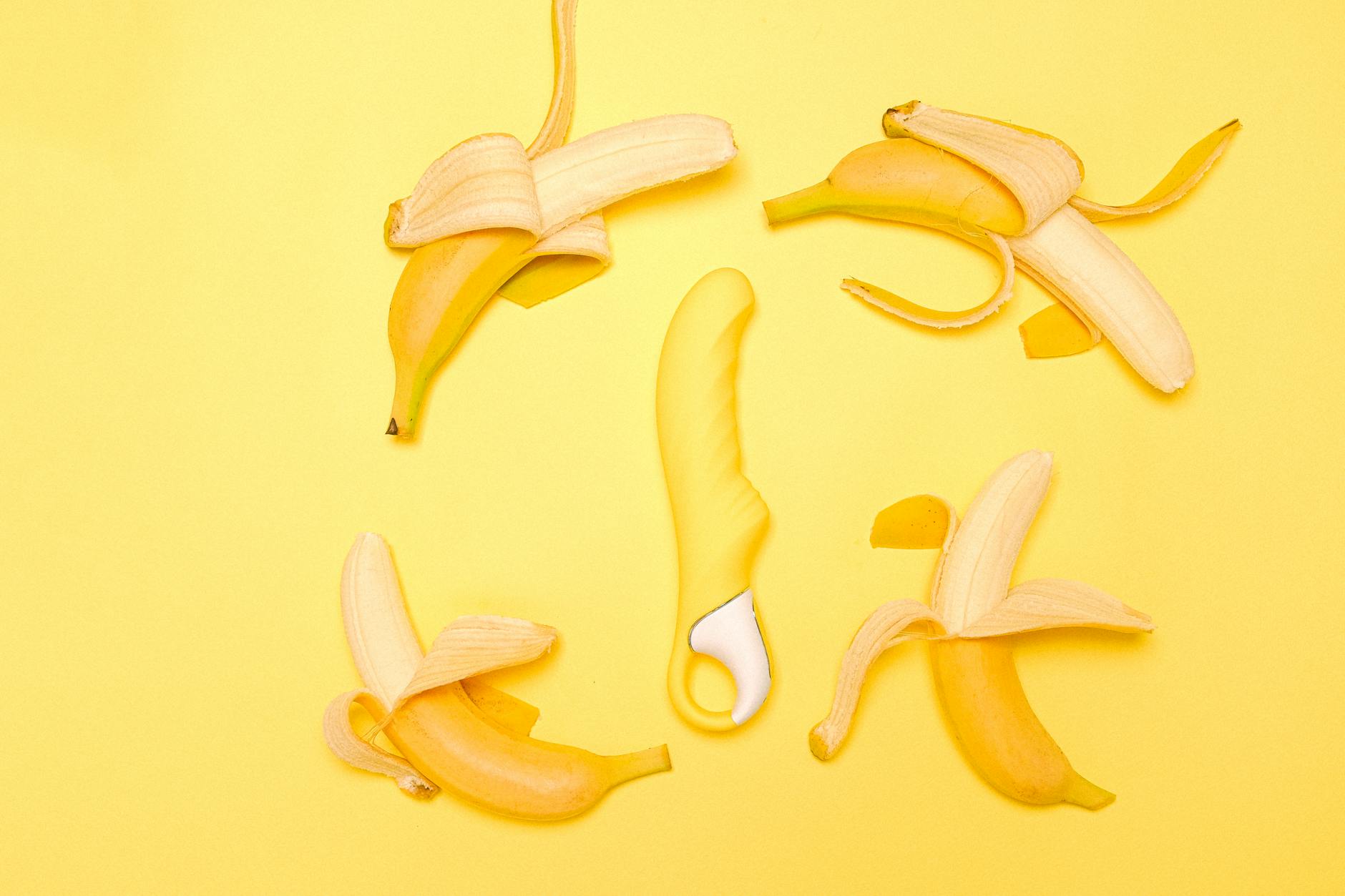
Here's what nobody tells you about endometriosis and pleasure
Endometriosis doesn't just cause pain on certain days. It rewires your entire nervous system. Your pelvic floor tightens defensively. Your brain learns to brace for hurt before it arrives. Touch that used to feel good now triggers anticipatory clenching. And somewhere in that loop, pleasure gets filed away under "too risky."
The good news: pleasure is still there. It's just locked behind a nervous system that's been convinced it's under threat. And certain kinds of stimulation, particularly the kind that a lemon vibrator provides, can actually help your body learn that touch can be safe again.
Why traditional vibration often fails with endometriosis
Most vibrators work by rapid oscillation. They create texture and friction at the surface. For someone with endometriosis, this friction can trigger pelvic floor tension almost immediately. The nerve endings around inflamed tissue become hypersensitive. Vibration, which feels electric and intense, can feel like poking at an already angry system.
Lemon clitoral vibrators use suction instead. This is a fundamentally different mechanism. Rather than vibrating against tissue, a lemon suction vibrator creates a gentle pressure wave that draws tissue into a chamber and releases it rhythmically. The stimulation is sustained and rhythmic rather than sharp and oscillating.
For people with endometriosis, this difference is often the difference between pleasure and pain.
What happens in your nervous system during a flare
When endometriosis is active, your pelvic floor muscles are already contracted. They're protective. Adding another irritant (vibration) often just tells your body "yes, clench more." Suction works differently. It doesn't demand friction. Instead, it sends a different signal to the nervous system: sustained pressure, predictable rhythm, no surprise.
Your body can relax into that predictability in a way it often can't with vibration. This is why many people with endometriosis report that a lemon clitoral vibrator feels better than traditional vibration. The mechanism itself is gentler on an already-sensitized system.
That said, even suction vibration won't work during an acute flare. On high-pain days, external stimulation of any kind is often counterproductive. The nervous system is in alarm mode, and adding sensation just reinforces that alarm.
Building a pleasure map when you have endometriosis
The first step isn't picking up a toy. It's paying attention to your baseline. When is your pain lowest? Many people with endometriosis find a 5-7 day window where pain is manageable. That's your working window. Outside of it, fantasy and partner touch might be enough. Inside it, you can experiment with more.
Within that window, start with patterns 1 or 2 on a lemon vibrator. This is crucial. The lemon has intensity levels that build gradually. Most first-time users with endometriosis jump to patterns 3 or 4, which is almost always a mistake. Your nervous system is sensitized. Start low. Wait 2-3 minutes before turning it up.
Which brings us to the pelvic floor issue. If you notice yourself tensing during stimulation, stop. This isn't failure. This is information. Your pelvic floor is telling you that your nervous system isn't quite ready. Come back tomorrow, or in a few days. Progress happens in cycles, not in a single session.
Why self-touch often works better than partnered touch
When you're controlling the vibrator yourself, you're in charge of speed, pressure, and when to stop. Your nervous system doesn't have to negotiate or trust. With a partner, even a well-intentioned one, there's always an element of surrender. For someone whose pelvic floor is already defensive, that surrender can feel impossible.
Use a lemon suction vibrator solo first. Let yourself learn that this specific kind of pressure feels safe. Then, if you want to bring a partner in, you have a baseline. You know what rhythm works. You can guide them. You're not starting from scratch in a vulnerable position.
Many people with endometriosis find that solo pleasure returns before partnered pleasure does. That's normal. That's not broken. That's your nervous system figuring out the safety parameters before it expands outward.
Managing the psychological layer
Endometriosis often comes with a grief layer. You've missed work, canceled plans, experienced pain during sex. There's resentment. There's loss. And sometimes there's a voice in your head that says "I'm damaged goods." Your body doesn't work right anymore.
That voice will show up when you try to use a vibrator. You might feel guilty for wanting pleasure when you've been in pain. You might feel like you're cheating on your suffering. These feelings are real. They're also obstacles worth naming and moving past.
Your pleasure is not betraying your pain. Your body is not broken. A lemon vibrator is not a consolation prize. It's a tool that works with your nervous system, not against it. Using it is an act of self-care, not denial.
When to pause, and how to know the difference
There's a difference between productive discomfort and harmful pain. If you feel a gentle stretch or pressure building, that's often fine. Keep going. If you feel sharp pain, pelvic tightness, or a sudden urge to stop, stop. Honor that signal.
After using a lemon vibrator, some people experience mild cramping. This can be normal, especially if the pelvic floor was very tight. But if you experience increased pain, spotting, or severe cramping, you went too hard or too long. Scale back. Next time, use a lower pattern or stop earlier.
If pleasure remains impossible even at the lowest settings and shortest durations, it's worth talking to a pelvic floor physical therapist. Endometriosis sometimes creates pelvic floor dysfunction that requires specific treatment. A therapist can help you understand whether your system just needs time or whether targeted intervention would help.
The role of lubrication and mindset
Use a water-based lubricant even though a lemon vibrator creates its own suction seal. Lubricant lets the suction work without pulling the skin uncomfortably. It also signals to your body that this is going to be gentle. It's a sensory permission slip.
Mindset matters too. If you're using a vibrator out of obligation ("I should want sex even though I have endo"), it won't work. If you're using it out of curiosity ("What does pleasure feel like in my body right now?"), it works better. Curiosity activates a different part of your nervous system than obligation does.
Talking to a partner about this
If you have a partner, be direct about your needs. "I want to explore pleasure again, but I need to do it slowly and solo first." "When I'm in my lower-pain window, I'd like to use a vibrator. Here's how you can support that." Partners often want to help. They just need clear guidance.
Partners can also help by releasing the expectation that pleasure has to look like it used to. How lemon vibrators help rebuild pleasure after sexual trauma covers this in more detail, but the principle applies to endometriosis too. You're not recovering an old version of your sexuality. You're discovering a new one.
Give yourself time
Endometriosis didn't happen overnight. Rebuilding pleasure doesn't either. You might use a lemon vibrator for three weeks and feel nothing. Then suddenly, on week four, everything clicks and your body remembers what pleasure feels like. That's how the nervous system works. It doesn't speed up just because you want it to.
Wait for your low-pain window. Start at pattern 1. Use lubrication. Keep sessions short. Notice what works. Repeat. Over time, your nervous system will learn that this specific touch is safe. That learning is the real work. The vibrator is just the vehicle.
FAQ: Your most common questions
Can I use a lemon vibrator during my period with endometriosis?
It depends on your individual symptoms. For some people, gentle stimulation during menstruation actually helps relieve cramping and pelvic tension. For others, any external stimulation during their period intensifies pain. Pay attention to your baseline. If your period is your worst pain window, skip vibration during that time. If pain is manageable, you might try it.
Will using a lemon vibrator make my endometriosis worse?
No. Vibrators don't cause or exacerbate endometriosis. What they can do is trigger pelvic floor tension if you use them too aggressively. That tension can make existing pain feel worse, but it's not worsening the condition itself. Use a gentle approach and you won't harm anything.
Should I tell my gynecologist I'm using a vibrator?
Yes, especially if you have endometriosis. Your doctor should know what you're doing so they can advise on safety specific to your case. Some people with severe endometriosis might need to avoid any pelvic stimulation during flares. Your doctor can help you understand your own risk profile.
What if a lemon vibrator feels too intense even at the lowest setting?
Start without turning it on. Let your nervous system adjust to the sensation of the device on your body without any stimulation. Then turn it on to pattern 1 for 10 seconds and turn it off. Your nervous system might need to acclimate gradually. Some people take weeks at this step.
Can endometriosis pain ever fully go away with pleasure and vibrators?
Vibrators are not a cure for endometriosis. They're a tool for rebuilding pleasure despite endometriosis. The underlying condition requires medical management. But reclaiming pleasure is part of your overall healing, and a lemon vibrator can be part of that picture.
Is it normal to feel no sensation when using a lemon vibrator with endometriosis?
Absolutely. Endometriosis can create numbing alongside hypersensitivity. You might be hypersensitive to some touches and numb to others. Give your nervous system time. Sometimes sensation returns after a few sessions. Sometimes it takes months. Patience is the main requirement.
Start small, trust your body
Your pleasure matters even though you have endometriosis. Maybe especially because you have endometriosis. A lemon clitoral vibrator works with your nervous system, not against it. But the real work is internal. It's you learning to trust your body again, in small increments, over time.
Start in your low-pain window. Begin at pattern 1. Use lubricant. Keep sessions short. Notice what feels right. If you hit a wall, see a pelvic floor therapist. If you want to talk through your specific situation, we're here. Your pleasure is worth the time and care it takes to rebuild it.